What Is a Mutt Dog? What is a Mutt Breed?
Written by Chyrle Bonk DVM
Updated Jan 13, 2026
What Makes a Mutt
We’ve spent decades paying thousands for "designer" labels, yet the humble mutt dog has been offering those same unique traits all along. The biggest difference between a trendy 'hybrid' and a local rescue is often just a fancy name and a much higher price tag.
According to the AVMA, nearly half of the dogs that we consider family are mixed breeds, or mutt dogs. With such a high number of them sharing our homes, it may be surprising to learn that some dog owners don’t quite have a handle on what a mutt dog is, or the potential pros and cons as compared to purebred dogs.
What is a Mutt? Understanding Mixed Breed Dogs
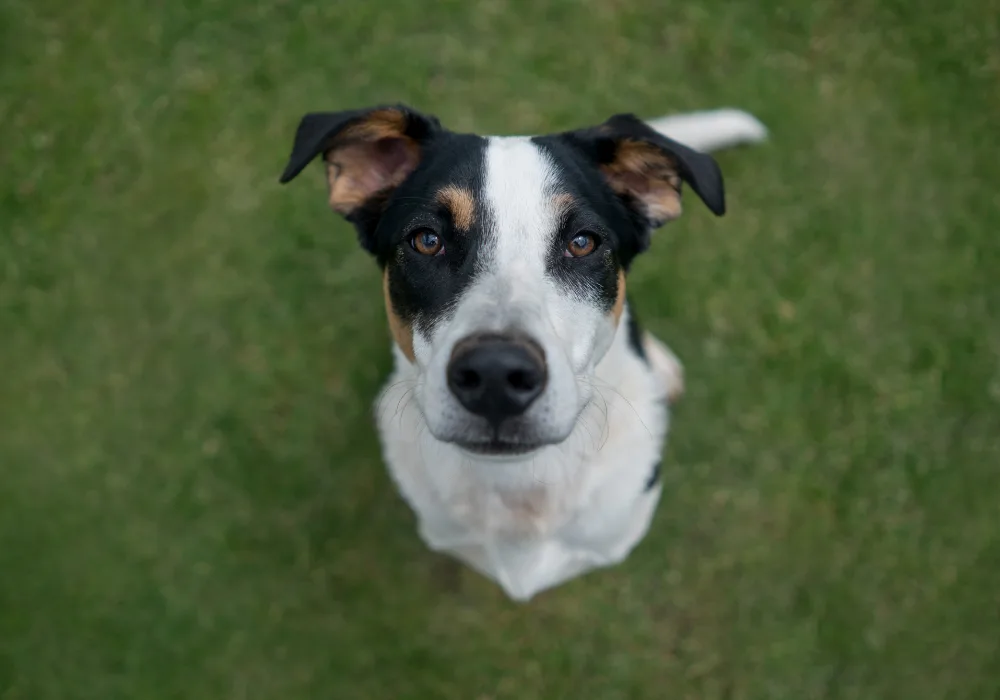
A mutt is a dog whose parents come from different breeds. Often referred to as a mixed breed, mutts differ from purebreds in that their lineage has at least two different breeds. That’s it. That’s the big difference.
Types of Mutt Dogs
As you can imagine, there’s a lot of variation in how a mutt dog comes to be. For example, crossing two different purebreds creates a mutt, just like breeding two mutts.
True mutts are dogs whose genetic background is usually unknown. They are the result of crosses between unknown breeds over the course of who knows how many years.
Two-breed mixes are when two purebreds are crossed, either on purpose or by accident.
Multi-generational mixes are dogs whose parents and grandparents are also mixed breeds. Unlike a first-time cross, these dogs are often bred over several generations to "fix" specific traits, such as a non-shedding coat or a specific size.
Example: If you cross a purebred Labrador with a purebred Poodle, you get a "first-generation" (F1) cross. However, a multi-generational Labradoodle is the result of breeding two Labradoodles together over many years. This process is used to make the puppies more predictable in appearance and temperament than a random first-time mix.
How Mutts Happen
While every mutt dog is unique, they generally come into the world in one of two ways:
Unplanned Breeding: Often referred to as "accidental" mixes, these dogs are the result of natural roaming or unplanned interactions between different breeds. These are the classic "mystery mixes" often found in shelters, where the lineage is a surprise.
Planned Breeding: This occurs when a breeder intentionally crosses two different breeds, such as a Cavalier King Charles Spaniel and a Poodle, to combine specific traits like a friendly temperament and a low-shedding coat. This specific cross is known as a Cavapoo.
Common Mutt Combinations
When talking about unplanned mixed breeds, you can get nearly every combination under the sun. One of my favorites that I’ve seen was a litter of Bulldog/Border Collies creating an active, snub-nosed pup.
When talking about planned crosses, you have to mention Doodles. Poodles have been crossed with many other breeds, creating Golden Doodles, Labradoodles, Bernedoodles. and Cockapoos. Let’s not forget Puggles (Pug x Beagle) and Chiweenies (Chihuahua x Dachshund).
The Science Behind Mutt Dogs
When dealing with purebred dogs, keeping that line pure often has some limitations. There’s only a certain number of animals out there to choose from, which has led purebred dog breeds to have a higher propensity for certain health conditions that are genetically linked. We have inherently bred things like dysplasia, heart and skin conditions, and intervertebral disc disease into these purebreds by consistently crossing affected dogs with other affected dogs.
Now, when talking about mutts, there’s a thing called hybrid vigor that may work to their advantage for some issues. Hybrid vigor simply refers to mutts having greater genetic diversity. Their parents are less likely to carry genes for some health issues because there’s more animals to make this cross with.
Health Advantages of Mutts
In some respects, mutts are considered healthier than purebred dogs, but that doesn’t mean that mutts are immune to illness and injuries. In fact, when Texas A&M compared the health records of mixed breeds and purebreds, they did find that mutts had a lower incidence of genetically based health conditions, but they were equally as likely to develop common medical issues.
Mutts are less likely to inherit: | Mutts are just as likely to face: |
✖ Heart Murmurs & Disease | ✔ Dental Disease (Plaque/Gingivitis) |
✖ Cataracts & Eye Disorders | ✔ Osteoarthritis (Joint wear and tear) |
✖ Aortic Stenosis (Heart defect) | ✔ Seasonal & Skin Allergies |
✖ Elbow Dysplasia | ✔ Ear Infections (Otitis externa) |
✖ Portosystemic Shunt (Liver issue) | ✔ Lacerations & Bite Wounds |
✖ Hypothyroidism | ✔ Gastrointestinal Issues (Upset stomach) |
Lifespan Comparisons
Health issues aside, mutt dogs do tend to live about 1-1½ years longer than their purebred counterparts. However, the average lifespan of a dog relies on more than just breeding. Other factors, such as weight, exercise, diet, and healthcare play huge roles
Why Insurance Matters for Mutt Dogs
While mutt dogs are less likely to inherit specific genetic diseases like heart murmurs or cataracts, they are just as prone to the universal ailments that affect all dogs. According to the Dog Aging Project, mixed breed dogs and purebreds have almost identical rates of overall medical diagnoses. In fact, common issues like ear infections are actually reported more frequently in mutts. Treating a simple infection can cost $150 to $300, while sudden accidents like lacerations or swallowing a foreign object can result in emergency surgery bills between $2,000 and $7,000.
Because mutts often don't come with a known health history, the best strategy is to secure dog pet insurance as early as possible. Insurance companies do not cover pre-existing conditions, so if you wait until your dog develops a chronic issue, you will be responsible for those costs for the rest of the dog’s life. Managing osteoarthritis can cost between $500 and $1,500 annually for medications and physical therapy, while seasonal allergies often require long term treatments like Apoquel or Cytopoint that can cost $800 to $2,000 per year. Enrolling while they are healthy ensures that these high frequency conditions are covered.
Since the most common reasons for vet visits across all breeds are routine issues like dental disease, adding a dog wellness plan to your policy is a smart move. Professional dental cleanings under anesthesia typically cost between $600 and $1,200 and essential procedures like neutering usually range from $200 to $600. Beyond surgery, the everyday costs of wellness add up quickly. Annual vaccinations typically cost $100 to $300, flea and tick preventatives average $200 to $400 per year, and professional grooming sessions can run $50 to $100 each. Thankfully, adding an optional wellness plan can help you budget for these routine expenses.
Mutt Dog Personality and Behavior
Mutt dogs really can be a mixed bag when it comes to both looks and behavior. Their personalities may be less predictable than purebreds simply because you may not know which parental traits to expect.

Behavioral Considerations
Some studies have shown that mutts tend to be less calm, less social, and more disobedient as reported by their owners. Other studies counteract that to say mixed breed dogs are no more variable personality wise than purebreds. That’s likely because personality and behavior are the result of many factors including training, environment, and previous experiences.
Common Mutt Traits and the Grateful Rescue Phenomenon
Mutt breeds are more likely to be acquired from a shelter or rescue than from a breeder, unless we’re talking about designer crosses. This means that the age of acquisition and previous experiences can have a huge impact on a mutt’s personality.
The “grateful rescue” phenomenon showcases a series of stories of mutt dogs showing a great appreciation and strong bond with their adopted owners, leading some to think that mutts have a more loyal and affectionate personality than a purebred purchased from a breeder.
Let’s just say that all dogs are individuals, and their own personal background is highly variable which can affect their personality and behavior.
Physical Characteristics of Mutt Dogs
The physical appearance of a mutt dog is essentially a roll of the genetic dice, making them far more variable than any purebred. While you can’t look up a breed standard to know what to expect, you can find clues if you know what to look for, especially in puppies.
Look at the Parents: If you have the chance to see the parents, you’ll get a "ceiling" for the puppy's potential size, as they rarely grow to be larger than their biggest parent.
Check the Paws: If the parents are unknown, look at the puppy’s paws; disproportionately large, heavy paws are a classic sign that the dog has several growth spurts left.
Observe the Skin: "Extra" loose skin often acts as a visual indicator that there is still plenty of room for the puppy to fill out and grow into their frame.
Note the Ear Placement: In puppies, ears that are "heavy" or starting to tip forward often indicate a drop or button ear style, whereas ears that sit high on the head may eventually stand upright.
Because mutts are a unique blend of lineages, they don't follow a one-size-fits-all rule for their physical needs. A puppy might inherit a mother's long, athletic legs but a father's heavy, double-layered coat, meaning their exercise and grooming requirements will be entirely unique. Rather than fitting a pre-set mold, each dog develops its own distinct look and physical "personality" as it grows and will have their own unique grooming, exercise, dietary, and training needs.
Caring for Your Mutt Dog
Every mutt is unique, which means you’ll want to work with your veterinarian or other professionals to determine what your dog needs.
Regular Veterinary Care: No matter if they are mixed or purebred, every dog needs routine checkups and preventative medicine. Beyond the basics, stay proactive by seeking attention for sudden injuries or illnesses to ensure a long, healthy life.
Balanced Nutrition: Mutts should eat a complete and balanced diet tailored to their specific needs. Some may require higher or lower caloric densities to maintain a healthy weight, while others might need specialty diets to help manage specific health conditions.
Daily Exercise: Every dog needs physical activity, though the amount depends on their individual build. Ensure your mutt gets enough exercise to maintain a healthy weight, burn excess energy, and stay socialized with the world around them.
Mental Stimulation: Keeping your dog’s brain busy is just as important as physical walks. Providing puzzles or interactive play helps ward off boredom and negative behaviors.
Positive Training: Whether you want an obedient companion or a trick performer, training is essential. Use positive reinforcement by rewarding good behaviors and ignoring or redirecting negative ones to build a strong bond with your dog.
Mutt Dogs vs. Purebred Dogs
There’s going to be differences and similarities between mutts and purebreds. We already looked at the health comparisons, so let’s take a look at a few others.
Cost Comparisons
Mutts are more likely to come from a shelter and purebreds from a breeder, meaning purebreds may cost you more upfront. Of course, this isn’t always true as some designer mutts are going to cost you, and some purebreds can be adopted. Generally speaking, getting a dog from a breeder may cost you anywhere from $100-$3,000+, while adoption fees are more around $50-$400. The cost to own a dog after that may be very similar.
Predictability Factors
Every dog is different, we can’t stress that enough, but for an overall conception, purebreds tend to have more predictability. The personality and appearance of a purebred is more consistent than that of a mixed mutt dog.
Making the Choice
When deciding between a mutt and a purebred, that choice is strictly up to you. The personality and appearance you’re looking for can be found in either a mutt or a purebred dog. You just need to determine your expectations, do your research, and evaluate each dog individually.
Mutt Dogs
While we have spent decades paying thousands for "designer" labels, the humble mutt dog has been offering those same unique traits all along. Because mutts stem from at least two different breeds and follow no set standard, their individuality is their greatest strength. The best outcome for your dog depends on looking past the price tag to become as informed as possible about their specific needs.
FAQs
According to the AVMA, nearly half of dogs considered family pets in the US are mixed breeds, or mutts.
Written by
Chyrle Bonk has been practicing veterinary medicine since 2010. Along with that, she fills her time writing veterinary content as a way to reach more pet owners than just those that come into the clinic. When not working, Dr. Bonk loves spending time with her family and critters somewhere outdoors.

Let’s get your pet covered
Call or click to get a quote