

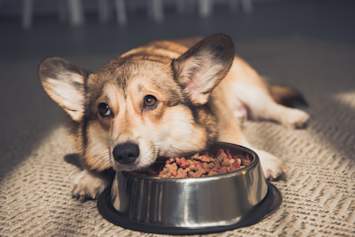
Most dogs think that any time is dinner time, so when your dog leaves part or all of their meal, it can be concerning. A dog not eating can be due to a number of reasons, some that are fairly benign, some that are more serious. So, whether your dog bypassed one meal or multiple, we’ll work through getting to the root of the issue by helping you read your dog’s body language, look for other signs, and give you some practical steps to take at home.
Reading Your Dog’s Situation Before Assuming the Worst
For a normally voracious, inhaling-anything-that-resembles-food kind of dog, not eating may seem like the worst possible issue. But before panic sets in, try to assess the situation in a little more depth.
Three Questions to Ask Yourself
Is this sudden or gradual? Was your dog eating fine yesterday and suddenly stopped today, or have they had a declining appetite for a couple of days or weeks?
Is your dog showing other symptoms? Illnesses often present with more than just not eating. Watch for vomiting, diarrhea, stomach pain, excessive gas, drooling, or lethargy as well.
Has anything changed recently? Has there been a change in dog food? Did your pup get into the garbage? Did they just have vaccinations? Has there been a change to the schedule?
What the Answers Will Tell You
Answering these questions can help guide you through figuring out why your dog isn’t eating and what you can do about it.
If your dog's appetite loss is... | It may indicate... |
Sudden with other symptoms | Suddenly not eating and showing other signs of vomiting, diarrhea, etc. may indicate a number of medical reasons, including eating something they shouldn’t have or an infection. |
Sudden without other symptoms | Not eating but otherwise acting normal could indicate pickiness to the food or feeding location, stress from something in their environment, or a minor upset stomach. |
Gradual with other symptoms | A declining appetite may be accompanied by weight loss, a poor haircoat, or increased water consumption that could indicate a chronic medical condition such as diabetes or kidney disease. |
Gradual without other symptoms | If your dog isn’t showing any other symptoms, it can be difficult to recognize a decrease in their appetite. This can happen in the early stages of chronic issues such as dental disease in dogs, kidney disease, or something else. |
Looking at the full picture can help narrow down the most likely reasons your dog isn't eating and what steps to take next.
How Long Can a Dog Go Without Eating?
Most dogs can survive for three to seven days without eating, but you should never wait that long to seek help. Most veterinarians will recommend seeking professional help if your dog hasn’t eaten anything in 24-48 hours because health issues are better treated the earlier they are caught.
Puppies, seniors, and dogs with chronic illnesses, such as diabetes, should see a vet if they haven’t eaten for 12 hours because consequences get more serious the longer you wait with these dogs.
Situation | Urgency Level | Action |
Puppy not eating <12 hours | Low to moderate | Offer more palatable food, monitor for other signs |
Puppy not eating > 12 hours | Moderate to high | Contact your veterinarian |
Adult dog not eating <12 hours | Low to moderate | Offer more palatable food, monitor for other signs |
Adult dog not eating 12-24 hours | Moderate | Offer more palatable food, monitor for other signs |
Adult dog not eating >24 hours | Moderate to high | Contact your veterinarian |
Senior dog not eating <12 hours | Low to moderate | Offer more palatable food, monitor for other signs |
Senior dog not eating >12 hours | Moderate to high | Contact your veterinarian |
Dog with health issues not eating <12 hours | Low to moderate | Offer more palatable food, monitor for other signs |
Dog with health issues not eating >12 hours | Moderate to high | Contact your veterinarian |
What Your Dog’s Body Language is Telling You
A dog not eating is often only part of the picture. Look to your dog for further signs of what may be going on.
The Smell Test, the Treat Test, and the Bowl Test
When your dog isn’t eating, it may be about more than just the food. Using the Smell, Treat, and Bowl test can help you determine if your dog’s not eating is about being picky or something else.
Smell Test. Start by warming their food up slightly to increase the aromaticity. According to a study published in Chemical Senses, smell is an important part of the eating experience for a dog and may be all that’s needed to get a dog eating again.
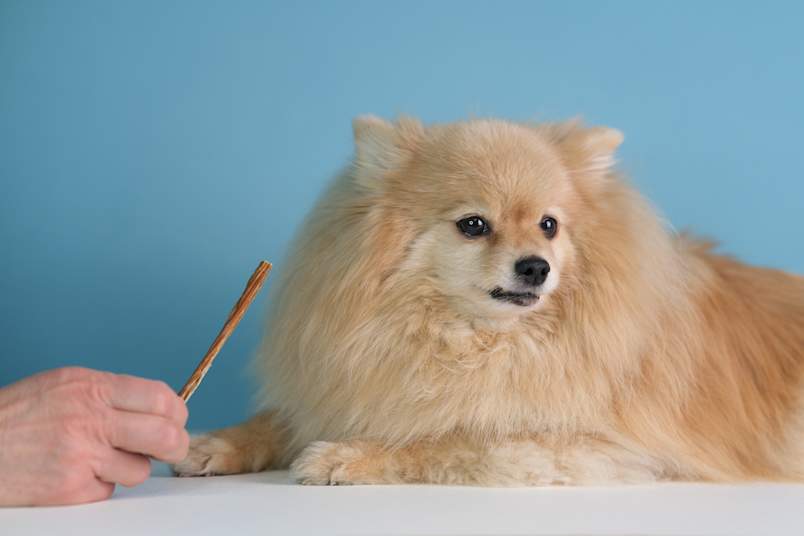
Treat Test. If warming the food doesn’t quite do it for your dog, offer them a preferred treat instead. Make it something really desirable to rule out pickiness.
Bowl Test. Bowl shape, size, location, and cleanliness may be what’s driving your dog’s inappetence. To rule this out, offer them food in a different bowl or different location or try spreading a few kibbles on the ground in their preferred location.
Signs that Suggest a Medical Cause to a Dog Not Eating
If no amount of treats, warming, or bowl switching seems to do the trick, monitor your dog for other signs. Medical causes of why a dog won’t eat often come with multiple signs including:
Lethargy
Weight loss
Drooling
Increased/decreased water consumption
Signs that Suggest a Behavioral or Environmental Cause
Sometimes a dog may feel otherwise fine but not be willing to eat because of stress due to bowl placement, separation anxiety, schedule changes, or other environmental issues. These dogs will often eat when offered food in a quieter space, eat with you in view, or eat when fed on a consistent schedule. No medical signs will be seen.
When it is Medical: Conditions Behind Appetite Loss in Dogs
Medical conditions that cause a dog to not eat can range from mild issues to emergency situations. If your dog's appetite doesn't improve, or if they're showing other symptoms, a veterinarian will look for underlying medical causes. Some are relatively mild and may resolve with supportive care, while others require prompt treatment.
Mild Causes: Monitor and Try At-Home Strategies
Mild GI upset from a change in diet, snagging some human food, stress, mild infections, or food sensitivities may get better with a little coaxing and a few days of rest.
Vaccinations can cause a dip in your dog’s appetite along with mild lethargy and even low-grade fever. Signs often get better within a couple of days.
Medications such as non-steroidal anti-inflammatories, antibiotics, and pain medications can decrease a dog’s appetite, especially early-on in the course of treatment.
Most of the time, these mild causes will clear up on their own within a few days with careful monitoring and encouragement to eat. If they don’t, or if signs get severe, see a veterinarian.
Causes that Require Veterinary Attention
There are times when your dog’s inappetence doesn’t get better on its own. See a veterinarian if your dog hasn’t eaten in 24-48 hours or if they are showing other signs. During an exam, your veterinarian may look for underlying issues such as:
Dental disease
Kidney disease
Mild infection
Causes that Require Emergency Care
Suddenly not eating accompanied by severe signs of illness or pain should see a veterinarian immediately. In these cases, veterinarians may be concerned about conditions such as:
Pancreatitis
Parvovirus
Practical Steps to Try at Home and When to Stop
If your dog isn’t eating as much or has skipped a meal without any other signs of illness, it’s worth trying some at home remedies before contacting your vet.
Make the food more appealing. This may mean warming it up, adding a little low-sodium chicken broth, mixing in some wet food, or changing flavors.
Make it entertaining. Eating can start to get a little mundane, especially for intelligent and active days. Liven up their meals by using puzzle feeders, feeding mats, using food as rewards for tricks, or making a game out of it. I had a dog that liked to chase each bit of kibble across the floor before he would eat it.
Reset the environment. If the food bowl is in a high traffic area and you have a sensitive dog or it’s in an out-of-the-way area and you have a social dog, consider moving the bowl to a place where your dog is more comfortable. Set a reliable feeding schedule and clean the bowl after each feeding.
When to Stop Trying at Home
If your dog’s appetite doesn’t return after 48 hours of at-home remedies or if you start to notice other signs of lethargy, vomiting, diarrhea, or pain, see your veterinarian. This is an important step in ruling out medical causes and getting help with behavioral ones in order to get your dog eating again.
How Pet Insurance and Wellness Plans Can Help
A dog not eating is stressful enough; you don’t want to add financial concerns to the list as well. Fortunately, a dog insurance policy through Embrace can help cover the costs associated with seeing your veterinarian to get to the bottom of your dog’s inappetence. Diagnostics, treatments, and behavioral training related to a diagnosis fall under coverage with an Accident and Illness policy.
A Wellness Plan can help budget for preventative medicine, such as vaccinations and flea and tick treatment, as well as obedience training and socialization.
What to Remember if Your Dog Isn't Eating
For a lot of dogs, food is everything, so when they aren’t eating, it can be very concerning. With many causes of a dog not eating, it can be confusing to know when it’s a real problem and when they just need a little encouragement. If your dog isn’t eating for 24-48 hours or if they are showing other signs of illness, see your veterinarian. Otherwise, you may try some at-home remedies to see if you can peak their appetite.