Can Dogs Eat Oranges?

Written by Amanda Chambers DVM, Reviewed by Chyrle Bonk DVM
Updated Jul 10, 2026
Feeding Dogs Oranges Safely
Orange peels are sometimes used in DIY dog repellents because many dogs dislike the smell of citrus. So if your pup comes running every time you peel an orange… congratulations, you have a little weirdo. But you probably already knew that. The real question is: are oranges safe for dogs?
Yes, dogs can eat oranges. Peeled, seedless orange flesh is a safe, vitamin-rich treat for most healthy dogs when you offer it in moderation. The parts to skip are the peel and seeds, and the main thing to watch is the natural sugar, especially if your dog has certain health conditions.
Are Oranges Good for Dogs?
Oranges are a non-toxic citrus fruit that dogs can safely eat in small amounts. They are not a necessary part of a dog's diet, since complete commercial dog food already provides balanced nutrition, but a segment or two can be a refreshing, low-calorie treat.
The flesh does offer a few useful nutrients. According to the American Kennel Club, oranges are a source of vitamin C, potassium, and fiber and are low in sodium.
Vitamin C supports the immune system. Unlike people, healthy dogs make their own vitamin C, so they don’t usually need more from their diet.
Potassium is an electrolyte that helps muscles contract, nerves send signals, and the heart beat normally.
Fiber supports healthy digestion and can help keep bowel movements regular.
One medium orange has about 62 calories, 12 g of sugar, and 3 g of fiber.
If your dog likes the taste, a little orange flesh is a fine occasional snack alongside other dog-safe fruits like blueberries.
How Much Orange Can a Dog Eat?
Treats of any kind should make up no more than 10% of a dog's daily calories, and oranges are no exception. If you’re figuring out how much to feed your dog, remember to count treats like oranges as part of that daily calorie total.
Dog size | Example weight | Max orange per day |
Toy or small | Under 20 lbs | ½ to 1 segment |
Medium | 20 to 50 lbs | 1 to 2 segments |
Large | 50 to 90 lbs | 2 to 3 segments |
Giant | 90+ lbs | 3 to 4 segments |
If your dog turns their nose up at an orange, don’t take it personally. Plenty of pups want nothing to do with citrus. If yours is interested, start with one small piece and see how they do before offering more. Every dog is different, and even safe foods can cause an upset stomach if they’re brand new.
Can Dogs Eat Orange Peels, Seeds, and Pith?
If your dog scarfs down an orange before you can peel it, don’t panic. The flesh is the part you want them to eat, but accidentally swallowing a little peel, a few seeds, or some of the white pith usually isn’t an emergency.
The orange peel is the biggest concern. It’s tough to digest and contains concentrated citrus oils like limonene and linalool, the same oils behind many of the warnings that some essential oils and dogs don’t mix. Large pieces can also become lodged in the digestive tract and cause a blockage, especially in small dogs.
The white pith isn’t toxic, but it’s fibrous, bitter, and more likely to cause an upset stomach than the juicy fruit.
Orange seeds aren’t highly toxic, but they’re best avoided because they can be a choking hazard for small dogs and don’t offer any nutritional benefit.
If your dog only ate a small amount of peel or a couple of seeds, they’ll most likely be fine. Offer fresh water and keep an eye out for vomiting, diarrhea, loss of appetite, or signs of abdominal pain. Call your veterinarian if symptoms develop or your dog swallowed a large amount of peel.
Mandarins, Clementines, and Cuties Explained
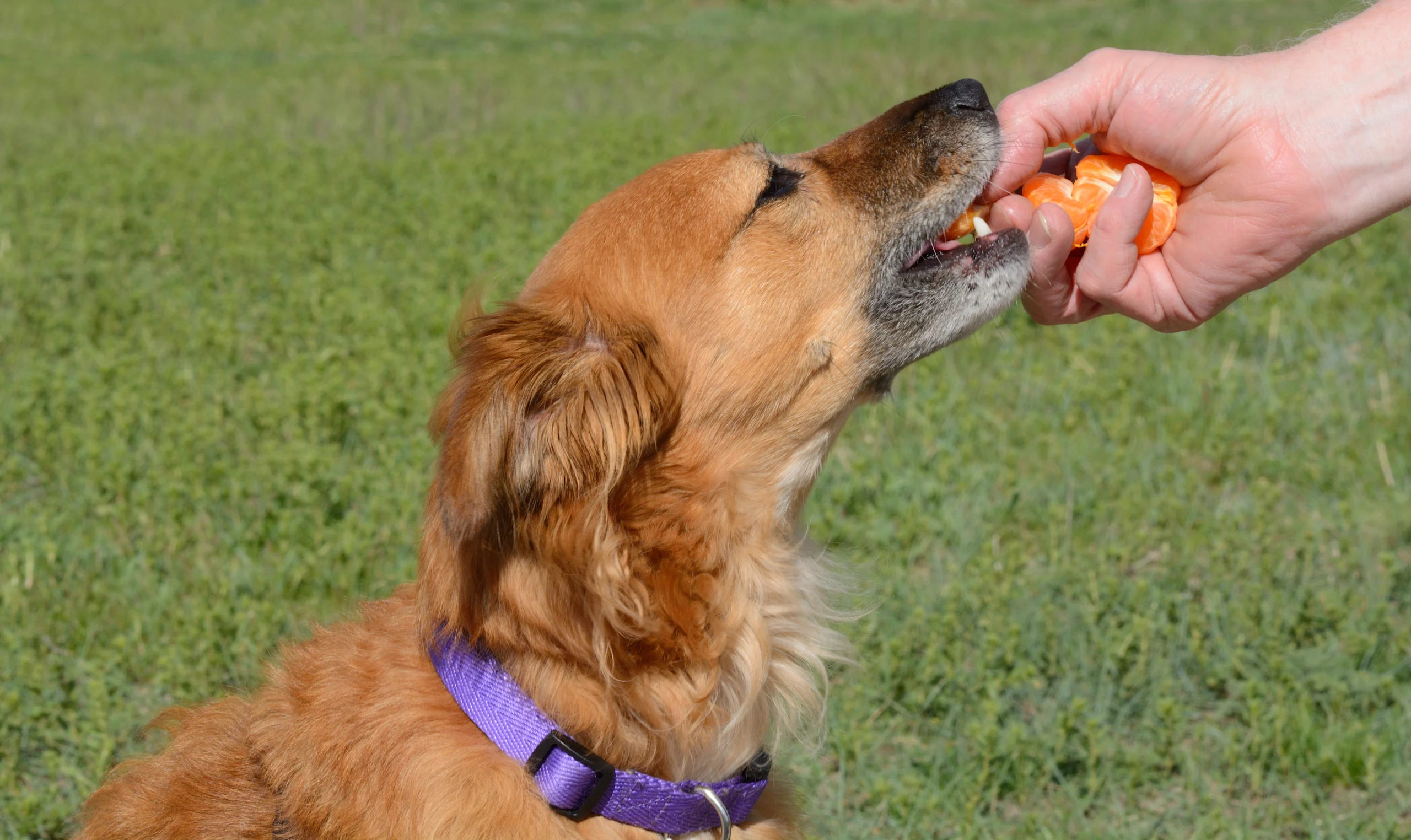
Mandarins, clementines, and the small fruits sold as Cuties or Halos are all safe for dogs in moderation. Cuties and Halos are simply brand names for easy-to-peel mandarins and clementines, not a different fruit.
Because these little citrus fruits are sweeter than a standard orange, portion control matters even more. The sugar adds up quickly when the segments are small and easy to hand over one after another. Peel them, remove any seeds, and use the same size-based portions you would for a regular orange.
Remember: fresh is best. If you’re sharing mandarins or clementines with your dog, avoid canned versions packed in syrup or juice. They add extra sugar without adding any nutritional benefits.
Can Dogs Eat Tangerines?
Yes. Peeled, seedless tangerine flesh is safe for dogs in moderation, with the same approach you would take for oranges. Tangerines are a little smaller and can taste more tart, so offer one segment first and see how your dog reacts.
Can Dogs Have Orange Juice?
Skip the orange juice for dogs. A glass concentrates the sugar and citric acid of several oranges without the fiber that comes with eating the whole fruit, which makes stomach upset more likely. Store-bought juice often adds even more sugar. If your dog needs to cool off or rehydrate, fresh water is the better choice.
Orange juice isn’t poisonous for dogs; it’s just not a healthy choice for them. If they lick up a spilled cup of juice from the floor, don’t worry about it, just don’t pour them a glass of their own.
Other Orange Varieties: Blood, Navel, Cara Cara, and Sumo
You don’t need to memorize different feeding rules for every orange at the grocery store. While these varieties look and taste different, they’re all safe for dogs when peeled, seeded, and served in moderation.
Blood oranges get their deep red color from anthocyanins, the same antioxidant pigments found in blueberries and cherries.
Navel oranges are popular because they’re naturally seedless and easy to peel, making them one of the simplest varieties to prepare for your dog.
Cara Cara oranges have pink flesh and are typically sweeter and less acidic than standard navel oranges.
Sumo oranges are the oversized, easy-peeling mandarins with the distinctive bump on top. Because they’re so large, one fruit can provide several dog-sized servings.
When Oranges Become a Problem
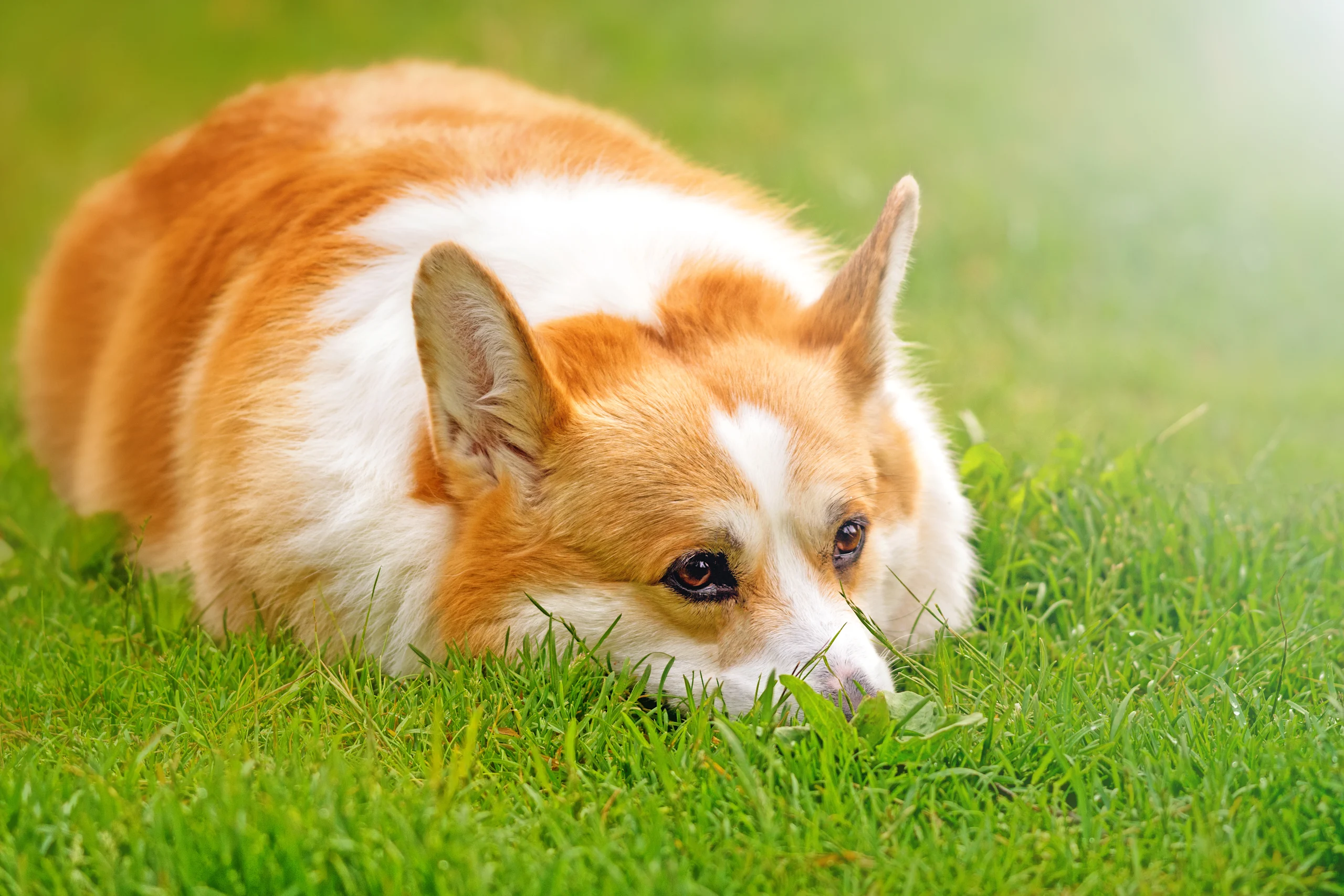
Oranges are a healthy treat for many dogs, but they’re not the right choice for every pup. Skip the oranges if your dog is:
Overweight. Even though oranges are relatively low in calories, they still contain natural sugar. If your dog is trying to lose weight, lower-sugar treats like green beans may be a better choice.
Diabetic. The natural sugar in oranges can make blood sugar management more difficult. Up to 1% of dogs develop diabetes during their lifetime, according to the Cornell Riney Canine Health Center. If your dog has diabetes, talk to your veterinarian before offering any sugary treat.
Prone to stomach upset. Too much orange can cause short-term digestive trouble, including vomiting, diarrhea, or a drop in appetite. If these signs don’t improve within a day or two, call your veterinarian.
Oranges are safe, but plenty of foods are not.
The ASPCA lists grapes, raisins, onions, garlic, and chocolate among the people foods to keep away from dogs, so it helps to know which foods are toxic to dogs before sharing from your plate.
What to Do If Your Dog Eats Orange Peel
If your dog grabs a piece of peel or a segment with seeds, don’t panic. Most dogs pass a small amount with nothing worse than mild stomach upset. Offer water, hold off on the next meal if their stomach seems off, and keep an eye on them.
Call your veterinarian if you notice:
Repeated vomiting
Loss of appetite
Straining to pass stool
A swollen or painful belly
Low energy or unusual lethargy
A large amount of orange peel has the potential to cause an intestinal blockage that requires treatment.
Treating an intestinal blockage often requires more than a simple office visit. Emergency exams, diagnostic imaging, hospitalization, and surgery can add up quickly. Dog insurance helps cover eligible unexpected veterinary expenses, giving you one less thing to worry about during an emergency.
Should You Feed Your Dog Oranges?
If your pup comes running the second they smell that citrus pop of an orange peel, they may be in the minority, but there’s no reason they can’t enjoy an occasional slice. Just keep it simple: fresh fruit, peeled, seedless, and served in moderation.
Every dog has their own quirks. Some will happily crunch green beans, others will turn up their nose at peanut butter, and a surprising few think citrus is the greatest invention since tennis balls. As long as you know which human foods are safe and which belong nowhere near your dog’s bowl, you can feel a little more confident sharing the occasional snack together.
FAQs
Yes — peeled, seedless orange flesh is safe for most healthy dogs in moderation, with one segment recommended for small dogs and two to three for large dogs.
Written by
Amanda Chambers is a full-time small animal general practitioner based in Kansas City, MO. She holds a Bachelor’s degree in Biomedical Sciences from Northwest Missouri State University and a Doctorate of Veterinary Medicine from the University of Missouri. While Amanda treats a variety of conditions in dogs and cats, her primary interests lie in dermatology and soft tissue surgery. She shares her home with her husband, Jake, their two cats, Lilly and Creed, and a Golden Retriever named Malcolm. Outside of her profession as a veterinarian, Amanda is passionate about editing and reading.

Reviewed by
Chyrle Bonk has been practicing veterinary medicine since 2010. Along with that, she fills her time writing veterinary content as a way to reach more pet owners than just those that come into the clinic. When not working, Dr. Bonk loves spending time with her family and critters somewhere outdoors.

Let’s get your pet covered
Call or click to get a quote