Bordetella Vaccine for Dogs: Safeguarding Your Dog from Bordetella

Written by Shannon Byers, Reviewed by Chyrle Bonk DVM
Updated Feb 5, 2026

How Bordetella Vaccination Works
It’s the kind of cough that makes you stop mid-step, heart racing, and your mind spinning through every worst-case scenario. For many dogs, this alarming symptom is caused by Bordetella, a highly contagious bacterial infection better known as kennel cough.
It can strike after a day at daycare, a stay at a boarding facility, or even a routine trip to the groomer. Understanding Bordetella, how the kennel cough vaccine for dogs works, and which dogs are most at risk can help pet parents act quickly and protect their furry companions.
So, does your dog need the Bordetella vaccine?
For many pet parents, the answer depends on lifestyle, health, and how often their dog interacts with other dogs.
What Is Bordetella?
Bordetella bronchiseptica is a bacterium that causes inflammation of the upper respiratory tract in dogs. It is one of the most common causes of kennel cough.
When pet parents ask, “What is Bordetella?” they are usually referring to this infection and the coughing sickness it creates. Bordetella in dogs often causes:
A dry, honking cough that can sound like gagging
Sneezing and nasal discharge
Mild fever or lethargy
Occasional vomiting or loss of appetite
Though the cough from Bordetella sounds harsh, most healthy dogs recover within one to three weeks, but puppies, senior dogs, and dogs with heart or lung disease can become much sicker. In these cases, the infection can progress to pneumonia or other serious illnesses.
Bordetella spreads through respiratory droplets when dogs cough, bark, or sneeze. It can also live on shared water bowls, toys, leashes, and surfaces. Regularly disinfecting these items can help lower the risk of infection.
Boarding kennels, grooming salons, training classes, shelters, dog parks, and veterinary clinics are common places for exposure to kennel cough.
Which Dogs Need the Bordetella Vaccine?
Many boarding facilities, groomers, daycare centers, and training programs require dogs to receive the Bordetella vaccine before attending. Even if it’s not required, some dogs face higher risk and benefit most from vaccination.
High-risk dogs include:
Puppies under six months
Senior dogs
Dogs with weakened immune systems
Dogs with heart or lung disease
Dogs who socialize frequently, such as at daycare, boarding, or dog parks
Short-nosed breeds like Pugs, Bulldogs, and Boston Terriers, which are more prone to breathing issues and complications
Dogs who rarely interact with other dogs may be at lower risk, but even brief exposure at a vet clinic, groomer, or boarding facility can lead to infection.
The Bordetella Vaccine for Dogs
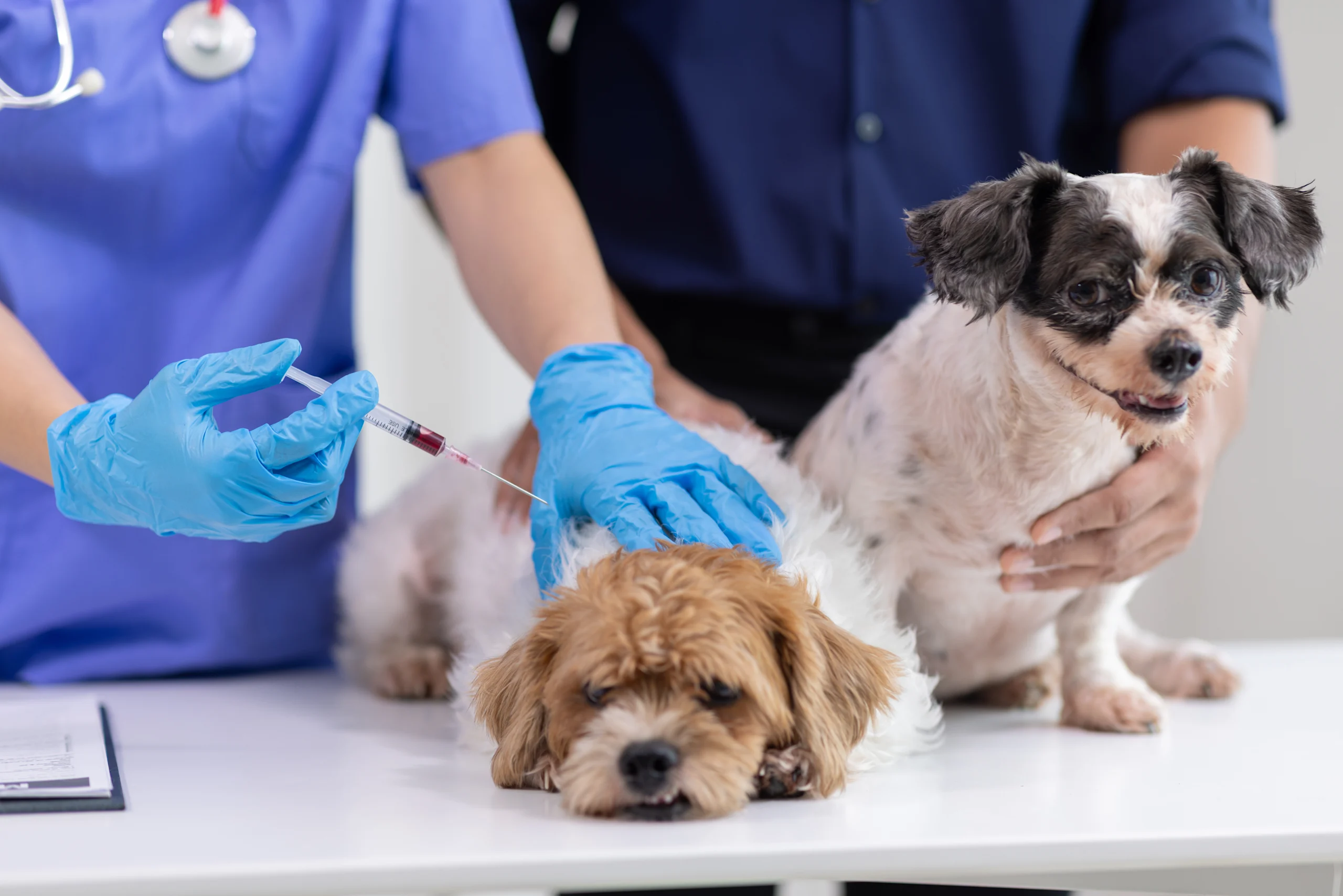
What is the Bordetella vaccine for dogs? This kennel cough vaccine helps the immune system recognize and fight the bacteria before it causes a full infection. It does not prevent every case, but it lowers the risk and usually reduces symptom severity.
There are three main types of kennel cough vaccine for dogs. Each works slightly differently and offers protection for about six to twelve months.
Comparison of Bordetella Vaccine Types
Vaccine Type | How It Is Given | How Fast It Works | Typical Notes |
Intranasal | Drops in the nose | Within 3 to 5 days | Strong local immunity, mild sneezing common |
Oral | Liquid by mouth | Within 3 to 5 days | Easy to give, mild coughing possible |
Injectable | Shot under the skin | 7 to 14 days | Often needs booster for full protection |
Vaccinated dogs who become infected usually recover faster and have milder symptoms than unvaccinated dogs.
Bordetella Vaccine Schedule and Timing
Puppies often receive their first Bordetella vaccine between six and eight weeks of age. A booster may be needed two to four weeks later, depending on the vaccine type.
Adult dogs usually receive the Bordetella vaccine once a year. Some facilities require boosters every six months for dogs with frequent exposure.
Vaccines should be given one to two weeks before boarding or social events so immunity has time to develop.
Side Effects and Risks of the Bordetella Shot for Dogs
Most pups easily tolerate the Bordetella shot for dogs. Mild reactions are common and usually short lived.
Possible side effects include
Brief coughing or sneezing
Mild nasal discharge
Sleepiness or decreased appetite
Rare but serious reactions include:
Facial swelling
Vomiting
Hives
Trouble breathing
These reactions need immediate veterinary care.
What Is the Cost of the Bordetella Vaccine for Dogs
The Bordetella Vaccine cost usually ranges from $15 to $40 per dose, depending on location and vaccine type. Adding an optional dog wellness plan to your Embrace insurance policy can help reimburse routine vaccines like Bordetella and other preventive care, making it easier to budget for your dog’s health needs.
Even with vaccination, dogs can still develop Bordetella. Treating kennel cough can cost significantly more once exam fees, medications, and testing are included. In severe cases, especially for puppies and senior dogs, hospitalization may be required. A standard dog insurance policy can help cover these unexpected costs.
One Embrace pet parent shared how their dog Shadow developed a persistent cough after socializing with other dogs, which eventually progressed to pneumonia and required hospital care. The cost was $5,998 in veterinary costs. Thankfully, Shadow’s family had Embrace. Knowing you have a plan can make those surprise trips to the vet less stressful.
Making the Bordetella Vaccine Decision
Talk with your veterinarian about your dog’s lifestyle, health history, and exposure risk. Dogs who travel, board, attend daycare, or visit groomers regularly often benefit the most from vaccination.
No vaccine provides perfect protection, but the Bordetella vaccine remains one of the best ways to reduce the risk and severity of kennel cough.
That sudden, heart-stopping cough can make any pet parent pause. Staying informed and vaccinated gives you peace of mind when every cough makes you worry.
FAQs
Bordetella bronchiseptica is a bacterium that causes kennel cough, one of the most common respiratory infections in dogs kept in close contact with others.
Written by
Shannon Byers is an editor and writer with a passion for producing clear and informative content. She has written & edited a range of materials, from blog posts to marketing copy. In addition to a BA from Cambridge College, she has a particular affinity for grammar, punctuation, and style, and enjoys helping authors polish their writing to perfection.
Shannon is also a devoted dog mom herself. Her basset hound, Reginald Squish, is her constant companion and source of inspiration. (And yes, he does help her edit. He's very good at spotting typos.)

Reviewed by
Chyrle Bonk has been practicing veterinary medicine since 2010. Along with that, she fills her time writing veterinary content as a way to reach more pet owners than just those that come into the clinic. When not working, Dr. Bonk loves spending time with her family and critters somewhere outdoors.

Let’s get your pet covered
Call or click to get a quote