Cat Being Held: How to Get Your Cat to Let You Hold Them

Written by Shannon Byers, Reviewed by Chyrle Bonk DVM
Updated Feb 4, 2026

Helping Cats Enjoy Being Held
Your cat may love sitting next to you, sleeping on your keyboard, and following you into the bathroom…but being held is apparently a step too far. Many cats feel uncomfortable or threatened when all four paws leave the ground, which is why they often resist being held even by trusted owners.
Many cats instinctively dislike being held. Lifting them removes their sense of control and triggers natural fear responses, even in confident and well socialized cats. You can help your cat understand that gentle handling feels predictable, comfortable, and safe through gradual desensitization. With patience and the right techniques, many cats learn to tolerate being held and some even come to enjoy it.
Ready to learn how to desensitize a cat?
Why Cats Resist Being Held
Cats evolved as solitary hunters as well as prey animals, and their instinct is to flee or fight when restrained. Even domesticated cats retain this instinct, which makes lifting or holding inherently stressful.
Individual factors also play a role. Personality, past experiences, and breed tendencies affect tolerance for handling. Some breeds are naturally more aloof or independent.
Signs Your Cat Needs Desensitization
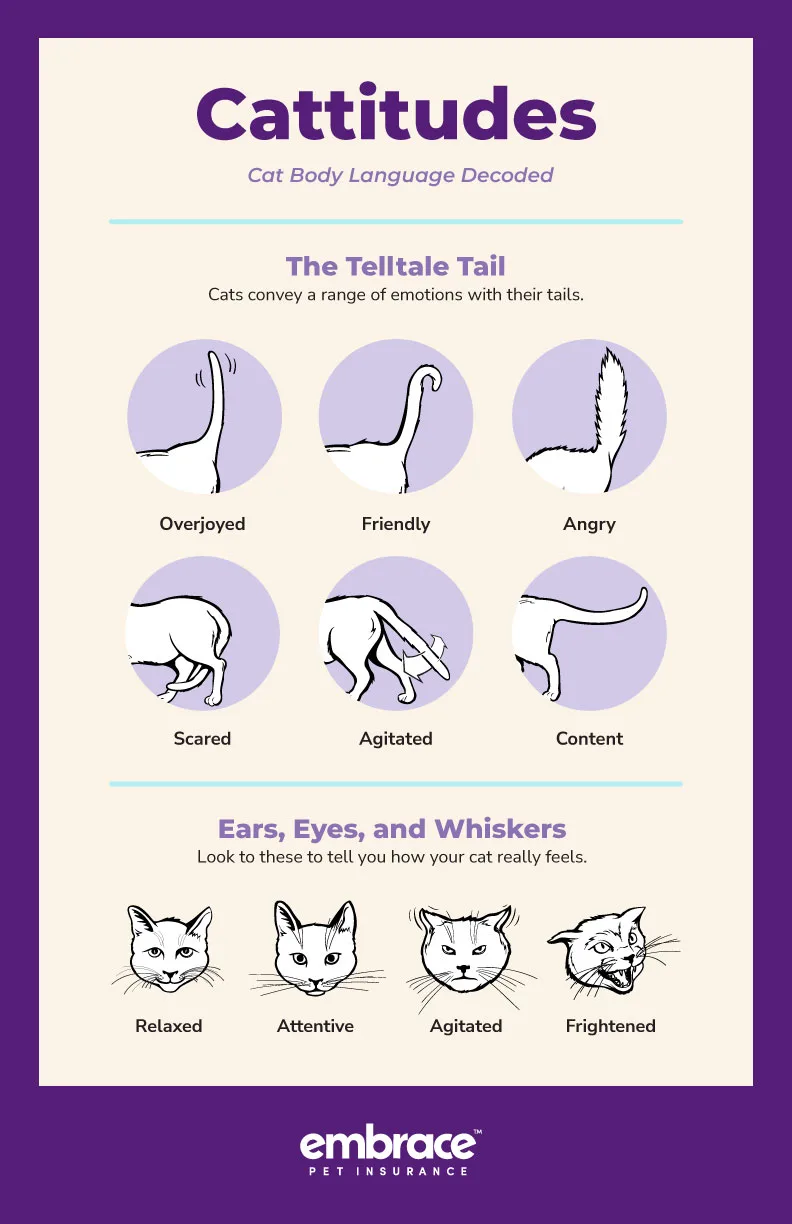
Cats give clear cues when they are uncomfortable with handling.
Severity Level | Behavior / Cue |
Low | Slight tail flicking, ears turning sideways, mild vocalization |
Moderate | Stiffening, wriggling, avoiding your hands |
High | Hissing, swatting, scratching, attempting to jump |
Very High | Dilated pupils, rapid tail thrashing, hiding, excessive grooming |
How to Desensitize a Cat
Desensitization is a gradual process of reducing fear responses to handling. Over time, your cat begins to associate being held with a positive experience, rather than feeling anxious.
Your cat has a personal comfort threshold for handling. Training works best when you keep sessions below this threshold.
Under Threshold | At Threshold | Over Threshold |
Calm and Receptive | Mild Discomfort | Stressed or Defensive |
Your cat stays relaxed and receptive. You can continue gentle handling or lifting in small steps. | Your cat shows slight discomfort—stiffening, tail flicking, ears moving. Pause or back up slightly and allow them to settle. | Your cat becomes stressed or defensive—hissing, swatting, vocalizing, or trying to escape. Stop immediately. |
Pre-Training Preparation to Desensitize a Cat
Before starting, set up an environment that maximizes comfort. Create a quiet, low-stress space with familiar bedding and toys to help your cat feel safe. Gather high-value treats, soft blankets, and approach your cat with a calm demeanor. Train during calm periods, not immediately after active play or mealtime.
How to Get a Cat to Like Being Held
Helping your cat feel safe and comfortable in your arms takes time, patience, and gentle encouragement.
Days 1 to 7: Building Positive Associations
Start by helping your cat associate your presence and gentle touch with positive experiences. Offer treats and soft petting in areas your cat already tolerates, such as the head, cheeks, or back. Keep sessions short, around five minutes, and reward calm behavior.
Days 8 to 14: Preparing for Lifting
Once your cat is comfortable with gentle touch, introduce your hands under the chest or belly without actually lifting. Pair this practice with treats and a soothing voice to increase comfort.
Days 15 to 21: Brief Holding
Begin lifting your cat for just a few seconds, two to five, while continuing to offer treats and calm praise. Gradually increase the duration as long as your cat remains relaxed. Watch closely for stress signals and pause if your cat stiffens, wriggles, or tries to escape.
Days 22 and Beyond: Extended Holding
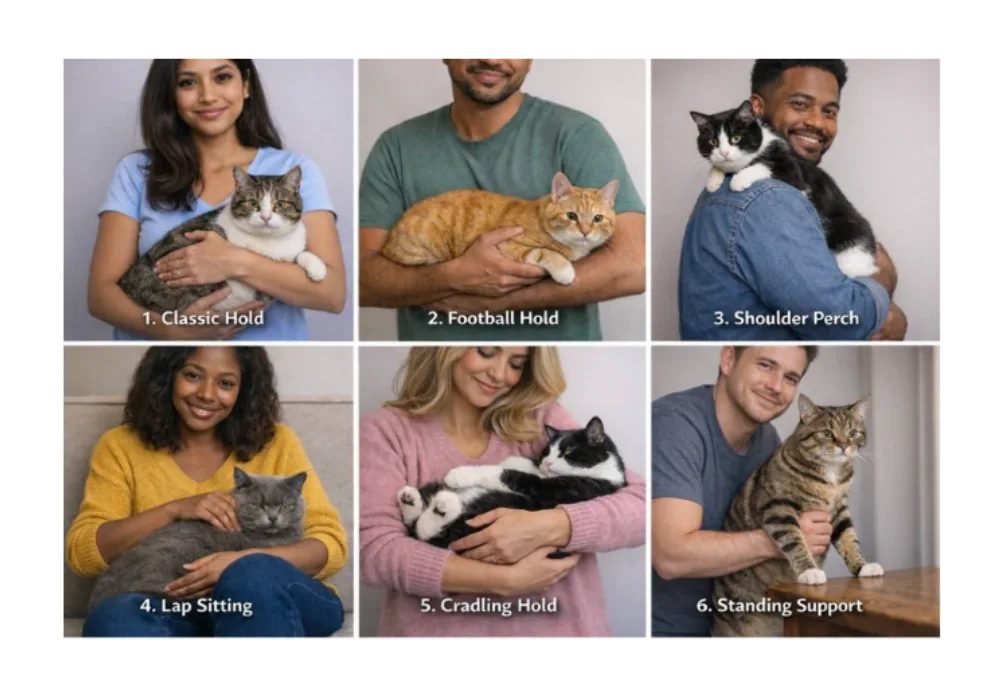
At this stage, you can slowly extend the length of holding sessions and try different positions, such as cradling, lap sitting, or the football hold. Some cats may only tolerate being held rather than enjoying it fully, and that’s okay.
How to Hold a Cat That Does Not Like to Be Held
There are different ways to hold cats, and your cat may have a preference. Some options to try for cats that don’t like to be held:
Never grab or squeeze your cat to keep them in your arms. Recognize signs of discomfort such as tail flicking, pinned ears, dilated pupils, vocal changes, tense body, or attempts to jump. Pause training immediately if these appear.
Troubleshooting Common Cat Holding Problems
When you’re learning how to desensitize a cat, watch body language, keep sessions consistent but short, and use high-value treats to reinforce positive associations. Try these troubleshooting techniques but also accept that some cats may only tolerate brief holding, and small victories are still a success.
Cat runs when approached
Stay at a distance and offer treats or gentle praise. Gradually decrease space over several days, rewarding calm behavior, and use play to create positive associations.
Immediate struggling or stiffening
Keep sessions short, 30 to 60 seconds, and work below your cat’s stress threshold. Pause if your cat stiffens and resume at the previous comfortable stage.
No progress after weeks
Consult your vet if your cat shows little improvement to confirm that there’s not a medical issue that makes it so your cat doesn’t want to be held.
As a veterinarian, it’s well known that cats prefer to hide their illnesses and injuries. It’s in their nature. So, what you may be taking as a persnickety personality may be a medical issue in hiding. Things like arthritis, digestive discomfort, neck and back injuries, or infections may make it uncomfortable for a cat to be held and will need veterinary attention.
Health and Safety Considerations
A cat’s comfort during handling depends heavily on their health. Conditions like arthritis in cats, feline hyperthyroidism, flea allergy dermatitis, and atopic dermatitis can make being touched or lifted uncomfortable. Dental issues, previous injuries, or extra weight can also affect how your cat feels when held.
If you’re not seeing progress in desensitizing a cat, schedule a routine checkup with your veterinarian. If you’ve added an optional cat wellness plan to your insurance, it can help budget for this visit. Even if the exam shows your cat is physically healthy, the wellness plan can also help cover behavioral consultations to help desensitize your cat.
If the checkup shows that there is a medical reason your cat doesn’t like being held, you’ll be glad you have cat insurance ready. For example, arthritis treatment can cost several hundred dollars a year in medications, supplements, and follow-up visits, while hyperthyroidism management, including blood tests, medications, or radioactive iodine therapy, can run into the thousands. These conditions can make lifting or cuddling uncomfortable or even painful, which may cause your cat to stiffen, struggle, or avoid being held altogether.
How to Desensitize a Cat and Help Them Enjoy Being Held

Learning how to desensitize a cat takes patience, observation, and consistent positive reinforcement. Even the most touch-averse cats can gradually tolerate handling, and some may eventually learn to enjoy it. Celebrate small victories, such as a brief lap visit or a relaxed shoulder perch, and adjust your approach as needed.
Learning how to desensitize your cat means your cat can keep curling up nearby, but now you can confidently scoop them up when needed.
FAQs
Lifting them removes their sense of control over their environment, which can feel threatening.
Written by
Shannon Byers is an editor and writer with a passion for producing clear and informative content. She has written & edited a range of materials, from blog posts to marketing copy. In addition to a BA from Cambridge College, she has a particular affinity for grammar, punctuation, and style, and enjoys helping authors polish their writing to perfection.
Shannon is also a devoted dog mom herself. Her basset hound, Reginald Squish, is her constant companion and source of inspiration. (And yes, he does help her edit. He's very good at spotting typos.)

Reviewed by
Chyrle Bonk has been practicing veterinary medicine since 2010. Along with that, she fills her time writing veterinary content as a way to reach more pet owners than just those that come into the clinic. When not working, Dr. Bonk loves spending time with her family and critters somewhere outdoors.

Let’s get your pet covered
Call or click to get a quote