


People often ask me if euthanasia is the worst part about being a veterinarian. In reality, 90% of the time, euthanasia is something that I get to do for a pet. It’s a way to ease their suffering, but it’s not a decision that comes lightly, especially for pet parents. Knowing when to euthanize a dog or when to euthanize a cat is different for each situation. Understanding what euthanasia is and what the process is like can help you know when it’s time.
What is Pet Euthanasia?
Pet euthanasia is when a person humanely and deliberately ends a pet’s life in order to relieve suffering. It is typically recommended when a dog or cat’s quality of life has declined and they are no longer able to live comfortably.
Euthanasia for dogs and cats is most commonly reserved for terminally ill or injured pets that are suffering. It often carries a negative connotation, but animal welfare itself is the basis for euthanasia. There is a real debate over the concept of quality versus length of life, with most veterinarians and pet parents choosing to end a pet’s suffering rather than extend their life.
That decision often comes with a great deal of uncertainty and guilt, so it’s important to be able to assess your pet’s quality of life and discuss it with your veterinarian so that you can make an informed decision.
When to Euthanize a Pet: Recognizing the Signs
The most commonly asked question surrounding this issue for me as a veterinarian is how do you know when to euthanize a dog or cat? There’s no actual answer here, but my job is to guide pet parents through the process with their pet’s best interests in mind.
You should consider euthanasia for a dog or cat when their quality of life is consistently poor and they are experiencing ongoing pain, loss of mobility, or no longer enjoying daily activities.
Quality of Life Assessment
You can’t talk about euthanasia and not bring up quality of life. That’s what it’s all about. Does your pet still enjoy the basics of life or has an illness or injury made those unbearable? It can be a tough thing to assess on your own. Fortunately, a veterinary oncologist, Dr. Villalobos, has created the HHHHHMM Scale to help you put a numerical value to your pet’s quality of life. This is an objective scale, so having more than one family member weigh in is a good idea.
Signs Your Pet May Be Suffering
It can be difficult to know when normal aging or illness has crossed into suffering. Looking at specific changes in your pet’s daily life can help you recognize when their quality of life is declining.
Category | What You Might See | What It Means |
Pain | Whining, panting, trembling, restlessness | Pain may no longer be well controlled |
Appetite | Refusing food or water, significant weight loss | Body is struggling to maintain basic needs |
Mobility | Difficulty standing, walking, or frequent falls | Loss of independence and comfort |
Hygiene | Incontinence, inability to stay clean | Reduced dignity and physical function |
Behavior | Withdrawal, confusion, loss of interest in favorite activities | Declining mental and emotional well-being |
Breathing | Labored or rapid breathing | Possible distress or advanced illness |
Good Days vs. Bad | More bad days than good | Overall quality of life is declining |
No single sign means it’s time on its own, but patterns matter. If you’re noticing several of these changes at once, it’s a good time to talk with your veterinarian about your pet’s quality of life.
Physical Signs
You may think that physical signs are the easiest to recognize, but pet parents often fail to notice changes if they are gradual. Getting an outsider’s perspective can really go a long way in recognizing things like:
Excessive weight loss
Decreased mobility
Persistent pain (trembling, panting, whining)
Severe incontinence
Persistent vomiting/diarrhea
Behavioral and Emotional Signs
These are best recognized by the people that know them best.
Profound lethargy
Constant confusion
Loss of joy in doing everyday things: not wanting to go for walks, not eat treats, hiding more
Aggression
Not eating/drinking
Cats vs Dogs
Most of the above signs can be considered equally between dogs and cats; however, cats have a way of hiding pain so they don't appear vulnerable. This means that you may have a more difficult time recognizing physical, emotional, and behavioral signs. The best you can do is to pay close attention to your cat and note any deviations from their normal activities.
Good Days vs Bad Days
You’re going to hear that it’s time when your pet has more bad days than good. It seems straightforward, but when you’re faced with this difficult decision, it can be anything but. Consider keeping a calendar of what you consider good days versus bad ones. This makes it easier to notice trends. Also, when bad days do actually outnumber the good, don’t hold onto the ‘just one more good day’ thought. You don’t want to allow your pet to suffer longer just because you want them to have one more good day. Instead, work to make the days they have left the best they can be.
The Euthanasia Process
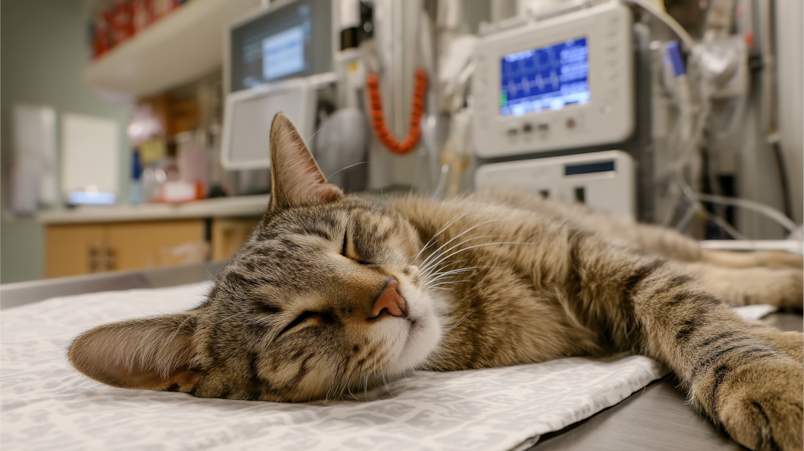
The euthanasia decision is a big one, so start it well before you think it’s necessary.
Before the Appointment
Talk through options and timing with your veterinarian so they have a clear picture of how your pet is doing and what you’re expecting.
Prepare your family with what to expect and decide on aftercare, whether that be burial, cremation, etc.
Try to give your pet the best day possible: focus on their favorite things and be sure to give lots of attention and treats.
If your pet shares their life with others besides you, it’s important to prepare them as well. Children especially can have a difficult time understanding death, so start talking to them early and often to ease the transition.
During the Euthanasia Procedure
Pet euthanasia is done through an injection. Veterinary staff will take your pet to a quiet room, place a catheter, and potentially sedate them. When your pet is nice and calm, the veterinarian will give the injection, and your pet will look like they’re falling asleep. The vet will then check vitals and let you know when they are gone.
It’s often up to you whether you want to be in the room or not. Some pet parents choose to be there and others decide that it’s too hard to watch. There’s no right or wrong choice here, but it’s something you’ll want to think about beforehand.
As pets are passing, there may be some heavy breathing, whining, or movement. Know that these aren’t signs that they’re in pain. Instead, they’re just the process of muscles relaxing.
After Euthanizing a Pet
The main choices for the aftercare of your pet are burial or cremation. Your veterinarian will either have the ability to handle these or make arrangements to have them done. The cremation process often takes a couple of days before ashes will be returned if that’s what you choose.
Making the Decision to Euthanize a Dog or Cat
Veterinarians are excellent resources for talking about euthanasia. It’s a real part of their job, so reach out to them if you have any questions about your pet, situation, or knowing when it’s time.
If your pet is diagnosed with a long-term illness, such as chronic kidney failure in cats or chronic kidney failure in dogs, feline hyperthyroidism, canine hyperthyroidism, or cancer, a second opinion may help you feel more prepared for the decisions that lay ahead.
Though we wish it weren’t so, finances are a real concern in veterinary medicine. It can cause a lot of guilt when you have to factor money into the equation. It’s also important to realize that money can’t always increase your pet’s quality of life or cure their illness, but it may prolong suffering. Weigh what’s best for your pet with what you can afford and speak to your veterinarian about the options.
Pet Insurance and Euthanasia
Many pet parents are faced with euthanasia after a serious illness or injury, often after weeks or months of ongoing care. During that time, decisions are rarely simple, and the last thing you want is for finances to add more stress to an already emotional situation.
Fortunately, cat insurance and dog insurance can help cover the cost of treatment leading up to euthanasia, including diagnostics, medications, and ongoing care. Embrace plans also cover euthanasia itself when it’s related to a covered condition.
Consider adding an optional pet wellness plan, which helps you budget for routine care, including regular check-ups that help your veterinarian track changes in your pet’s health over time so they can guide you in making informed decisions if their quality of life begins to decline.
By easing the financial burden, coverage allows you to focus on what matters most: your pet’s comfort and quality of life, and making decisions based on their needs rather than cost.
Grief, Guilt, and Healing After Losing a Pet
Grieving is a process and one that you don’t want to ignore. Our pets are more than just animals; they’re companions, confidants, and part of our families. So, it’s common to feel their loss as you would any other.
Stages of Grief
Anticipatory: Mourning can start even before the loss, especially when it comes to pet euthanasia.
Guilt: Especially true for pet euthanasia because you had to make this decision.
Second-guessing: It’s a tough decision and pet parents often wonder if they made the right choice.
Relief: You know your pet is no longer suffering.
Sadness: Of course there’s bound to be sadness. You miss your pet; it’s perfectly normal.
Coping Strategies after Euthanasia
Rest assured you aren’t alone in this process. To help with your grief, consider constructing a pet memorial, seeking a support group like Lap of Love, or simply putting your feelings into words.
Professional support is always an option as grief can easily become complicated following a cat or dog euthanasia. Consult with your veterinarian if you need extra help.
Cat and Dog Euthanasia
Pet euthanasia is a humane way of ending an animal’s life to prevent further suffering. It’s a difficult decision that should involve input from you, your family, and your veterinarian. Know that it’s normal to feel guilty, second-guess your decision, and grieve the loss of your pet. Also know you’re not alone. Seek support from your family, a support group, or a professional.