

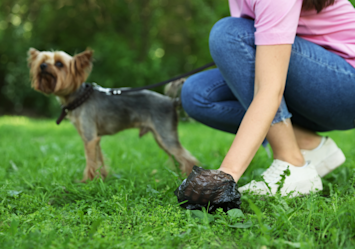
It’s a dirty job, but someone has to do it, and doing it correctly is one of the simplest ways to ensure your pup stays healthy. Welcome to the fecal test masterclass: where we explain exactly how to provide an accurate, high-quality dog stool sample to ensure your vet can detect hidden parasites and gastrointestinal issues.
Understanding Fecal Tests: What They Are and Why They Matter
A fecal test is more than a routine chore. It helps veterinarians detect hidden intestinal parasites and digestive issues that can’t be found during a physical exam. When it comes to getting answers, your vet has to go straight to the source: the poop.
The Science Behind Fecal Testing
Fecal tests can catch infections like worms in dogs or giardiasis before your dog starts feeling sick.
The lab uses a simple trick: weight. Most parasite eggs are lighter than a special liquid the vet uses. When the stool is mixed with this liquid, the heavy debris (like dirt or food bits) sinks, and the parasite eggs float to the top. The vet then catches those floating eggs on a glass slide to identify them.
The 5 Types of Fecal Exams
Fecal tests commonly detect parasites such as roundworms, hookworms, giardia, and whipworms. Your vet might choose one of these based on how your dog is acting:
Standard Flotation: The basic routine test. The sample sits in a tube until the eggs float to the top.
Centrifugal Flotation: The sample is spun in a machine to force the eggs to the top. It’s much more accurate than the standard version.
Direct Smear: A tiny bit of stool is put right on a slide. This is used to see eggs or parasites that are actively swimming around.
Antigen (ELISA) Test: A high-tech test that looks for parasite proteins. It can find an infection even if there aren't any eggs yet.
PCR Test: A DNA test for poop. It’s used for tricky cases where your dog has chronic diarrhea or other signs but other tests keep coming up empty.
Why and When Every Dog Needs Fecal Testing
Even if your dog seems perfectly healthy, they could be playing host to unwanted guests. Historically, peer-reviewed veterinary research has shown that roughly one in three dogs in the U.S. harbor at least one major intestinal parasite. A more recent large-scale, peer-reviewed U.S. study analyzing millions of canine fecal test results found that between 12% and 21% of dogs tested positive for at least one intestinal parasite, depending on age and region.
In warmer, humid regions, that risk can jump to over 50%. Even in colder climates, many parasite eggs are tough enough to survive a deep freeze in your backyard soil, simply waiting for spring to arrive. According to the latest 2025 CAPC Annual Pet Parasite Forecasts, parasites are no longer just a Southern problem. We are seeing a consistent northward creep of infections, with parasites now being diagnosed at higher-than-expected rates in states like North Dakota, Montana, and Colorado.
Critical Testing Schedules
The earlier you catch a problem, the easier it is to treat! But different ages and stages have different needs, so ask your vet how often your dog needs a fecal test.
Dog Life Stage | Recommended Fecal Test Frequency | Why it Matters |
Puppies | 4 times in the first year | Most puppies are born with worms or get them from nursing. |
Adult Dogs | Every 6 to 12 months | Catches infections that monthly preventatives might miss. |
Senior Dogs | Twice a year | Helps monitor gut health as immune systems naturally weaken. |
High-Risk Dogs | Every 3 to 4 months | For dogs at daycare, parks, or those who love "yard snacks." |
Health Consequences and Human Risks
Untreated parasites aren't just gross, they cause real damage. Hookworms, for example, suck blood from the intestinal wall, while roundworms steal valuable nutrients from your dog’s food.
The risk also extends to you. Many of these parasites are zoonotic, meaning they can jump from your dog to humans. The CDC identifies toxocariasis (roundworms) as a neglected parasitic infection, estimating that approximately 14% of the U.S. population has been exposed. Regular fecal exams are the best way to keep parasites out of your home.
Pre-Collection Preparation: Setting Up for Success
Collecting stool samples may not have been what you imagined when you dreamt about life with your dog, but a little preparation can make it easier.
Gather Your Supplies BEFORE the Walk
The key to a successful collection is having everything ready before your dog finds the perfect spot.
Gloves
Collection Tool: A disposable plastic spoon is the easiest way to scoop a sample without making a mess.
Container
Hand Sanitizer
Choosing the Right Container
A small, clean Ziploc bag is a popular choice because it's easy to seal and label. If you prefer something sturdier, a small plastic container, like an old, cleaned-out Tupperware or a travel-sized jar works well.
Your vet can also provide you with a container if you make arrangements ahead of time.
The Step-by-Step Fecal Sample Collection Process
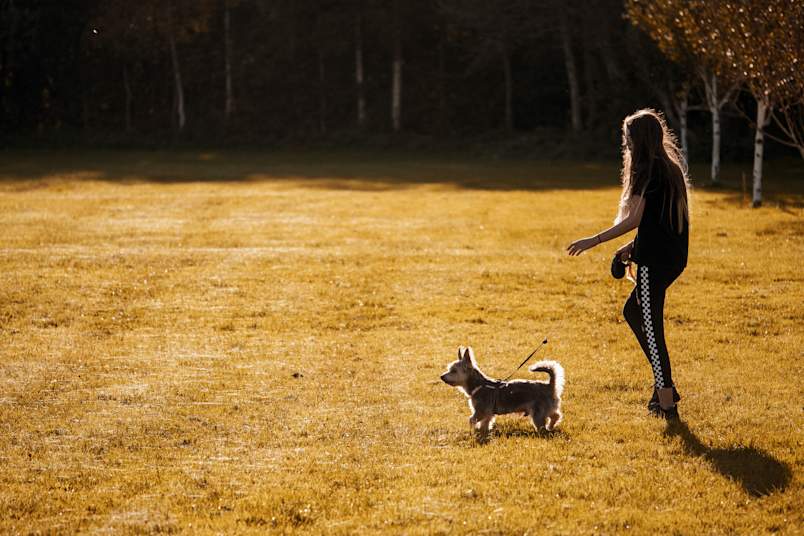
Once you have your poop kit ready, the goal is to get a clean, fresh sample.
Step 1: Find your collection area
Keep your dog on a leash so you can stay close. Try to steer them toward a flat, clear spot rather than tall grass or heavy mulch. This makes it much easier to scoop just the sample without bringing half the garden with it.
Step 2: Wait for the right moment
You want to collect the stool as soon as it hits the ground.
Step 3: Collect the sample
You don't need a lot of material for the lab to work its magic. A portion about the size of a walnut (roughly one tablespoon) is usually plenty. Trust me, your vet doesn’t need (or want!) the whole bowel movement. A tablespoon sized amount is usually more than enough, so you can select it from the cleanest part, leaving the more contaminated parts where they lie.
Technique for firm stool: Use your disposable spoon to scoop a small chunk from the center of the pile and drop it into your bag or container.
Technique for diarrhea in dogs: This is a bit trickier but very important to test. Use the spoon like a ladle to scoop up the softest part. If the stool is too liquid to scoop, do not try to scrape it off the grass as you will mostly collect dirt. Instead, use a paper plate or a shallow plastic container as a tray to catch the sample as your dog eliminates.
Step 5: Secure the sample
Once you have the sample inside, throw the spoon away in a trash bin. Seal the container tightly. Use a marker to write your dog’s name, your last name, and the time on the outside.
Proper Storage of Dog Fecal Samples
To ensure the lab can accurately detect parasites, the sample must be kept in a stable state.
Storage Time | What to do | Why It Matters |
0–1 Hour | Room Temperature | Brief storage is fine; just keep it away from direct sunlight or car heaters. |
1–12 Hours | Refrigerate | Cooling pauses the life cycle of parasites and prevents bacteria from overgrowing. |
12–24 Hours | Refrigerate | This is the maximum window; samples older than 24 hours often provide unreliable results. |
Common Fecal Sample Collection Mistakes
Avoid these common pitfalls to ensure your vet gets an accurate result.
Mistake #1: Old samples
Do not use stool found in the yard that has been sitting out. Parasite eggs can hatch or die off quickly once exposed to the elements, and the stool sample gets contaminated quickly.
Mistake #2: Contamination
Try to avoid scooping up excessive grass, mulch, or dirt. While a little bit is inevitable, too much environmental debris makes it difficult for the lab technician to see microscopic eggs through the clutter on the slide.
Mistake #3: Freezing
Freezing is a diagnostic dealbreaker because it physically destroys the structure of the eggs.
When Standard Collection Fails
If you cannot get a sample at home, your vet can perform a fecal loop. A technician uses a small, lubricated tool to collect a sample directly from the dog. While it is not a favorite experience for most dogs, it is a fast and reliable way to get a perfectly fresh sample when home collection is impossible.
Insurance Coverage for Fecal Testing
First poop, now money. Definitely not the fun parts but understanding how these tests are billed can help you avoid surprises at the front desk. The cost of a fecal test usually depends on whether it is a routine checkup or an urgent diagnostic for a sick pet.
Routine Testing Costs
On average, a standard fecal flotation test costs between $25 and $50. If your veterinarian recommends a more comprehensive fecal PCR test to look for specific DNA from parasites or bacteria, the cost can range from $100 to $180.
Budgeting With Wellness Plans
Regular fecal testing is a predictable part of routine healthcare, much like an oil change for your car. Adding an optional wellness plan for dogs to your pet insurance allows you to budget for these costs ahead of time, often bundling the test with other routine services like vaccinations and check-ups.
Insurance Coverage for Illness
When a fecal test is used to diagnose symptoms like diarrhea or weight loss, it is typically covered under pet insurance for dogs. This means your insurance provider helps cover the lab fees, giving you the peace of mind to authorize whatever tests your vet needs to get your pup back to their happy, tail-wagging self.
Fecal Test for Dogs
Collecting a fecal sample might be the least glamorous part of being a dog owner, but it is one of the most effective ways to protect your pet. Providing a fresh, well-preserved sample ensures your vet can catch hidden health issues before they become serious problems. With a little preparation and the right storage, you can make this routine task quick, clean, and highly effective for your dog’s long-term wellness.