

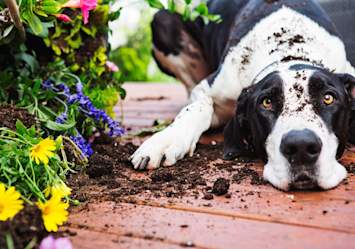
Ah, spring. Gardens are in bloom, the windows are open, and a gentle breeze ruffles the curtains. Muddy paws, contented puppy sighs, cats stretched out on sunny windowsills...and accidental pet poisonings. Unfortunately, some of the season’s prettiest flowers can become emergency vet visits in a matter of hours.
A pet-friendly yard doesn’t have to mean giving up color, pollinator gardens, or lush flower beds. Dozens of common garden flowers are safe for dogs and cats, and the ASPCA maintains a verified non-toxic list. Safe options exist in nearly every garden category, from pollinator-friendly perennials to container flowers and flowering shrubs.
How We Define “Pet-Safe” Flowers
Every flower on this list appears on the ASPCA’s non-toxic plant lists for both dogs and cats, cross-referenced with Pet Poison Helpline guidance. “Non-toxic” means the plant is not expected to cause systemic poisoning, but any plant eaten in large quantities can cause mild stomach upset.
Pet-Safe Flowers at a Glance
Flower | Safe for Dogs | Safe for Cats | Type | Blooming Season |
Roses | Yes | Yes | Perennial | Late spring to fall |
Sunflowers | Yes | Yes | Annual | Summer to early fall |
Snapdragons | Yes | Yes | Annual | Spring and fall |
Zinnias | Yes | Yes | Annual | Summer to frost |
Petunias | Yes | Yes | Annual | Spring to fall |
Marigolds (Tagetes / Calendula) | Yes | Yes | Annual | Spring through summer |
Pansies and violas | Yes | Yes | Cool-season annual | Early spring |
Nasturtiums | Yes | Yes | Annual | Summer through frost |
Cosmos | Yes | Yes | Annual | Summer to frost |
Dahlias | Mostly | Mostly | Tender perennial | Summer to frost |
Echinacea | Yes | Yes | Perennial | Mid-summer to fall |
Asters | Yes | Yes | Perennial | Late summer to fall |
Gerbera daisies | Yes | Yes | Tender perennial | Spring through fall |
Bee balm (Monarda) | Yes | Yes | Perennial | Summer |
Coreopsis | Yes | Yes | Perennial | Early summer to fall |
Camellia | Yes | Yes | Evergreen shrub | Winter to early spring |
Crepe myrtle | Yes | Yes | Tree or shrub | Summer |
Orchids (Phalaenopsis) | Yes | Yes | Houseplant | Year-round indoors |
Catnip | Yes | Yes | Perennial herb | Late spring to fall |
Cat grass (oat / wheatgrass) | Yes | Yes | Annual grass | Year-round indoors |
Pet-Safe Perennials
Perennials are the backbone of a low-maintenance pet-safe garden. Once established, deeper root systems handle paw traffic better than delicate beds.
Roses are non-toxic to dogs and cats. Petals, leaves, and stems are all safe, though thorns can cause mouth or paw injuries, so prune pathways carefully.
Echinacea (coneflower) is one of the best pollinator plants you can grow. Some pets may experience mild GI upset from eating large amounts, but incidental tasting is not a concern.
Bee balm (Monarda) brings hummingbirds and butterflies to the garden and is safe for both species. Its strong minty aroma usually keeps pets from chewing on it.
Coreopsis is long-blooming, drought-tolerant, and safe for dogs and cats. It tolerates poor soil and fills out borders with daisy-like flowers all summer.
Asters provide late-season color when most perennials are winding down, and they appear on the ASPCA non-toxic list for both species.
Gerbera daisies deliver bold, saturated blooms and make excellent cut flowers. Treat them as tender perennials in warm zones, annuals further north.
Many other common flowers and landscaping plants can be dangerous for pets, including these plants toxic to cats and dogs.
Pet-Safe Annuals for Seasonal Color
Zinnias are the easiest pet-safe annual to grow. They tolerate heat, bloom for months, and come in every color.
Marigolds are non-toxic in both common forms: garden marigolds (Tagetes) and pot marigold or calendula (Calendula officinalis). Both make excellent pest-repelling companions for veggie beds.
Petunias are pet-friendly for containers or hanging baskets. They bloom hard all summer and tolerate occasional nibbling.
Sunflowers are safe, and so are the seeds, though seeds are high in fat and can cause stomach upset in large amounts.
Snapdragons are a clever substitute for the highly toxic foxglove. Similar vertical look, non-toxic to dogs and cats.
Nasturtiums are edible for humans and safe for pets. Peppery leaves work well as ground cover.
Cosmos self-seed easily, attract butterflies, and are safe for both species.
Pansies and violas are cool-season favorites. Both are non-toxic and edible, making them a no-worry option for puppies or kittens.
Pet-Safe Flowering Shrubs and Trees
Shrubs and trees handle paw traffic better than soft beds and give the garden structure.
Camellia: evergreen with stunning winter blooms, safe for dogs and cats.
Magnolia: the classic southern tree, non-toxic to pets.
Crepe myrtle: long summer bloom, great as a specimen tree.
Dogwood: spring flowers, fall color, pet-safe.
Japanese maple: grown for foliage rather than blooms, non-toxic to both.
Hawthorn: the tree itself is pet-safe, but thorns can cause injury.
Special Considerations for Cats
Cats are significantly more sensitive to plant toxicity than dogs, and a few extra rules apply when planning a cat-friendly garden.
Lilies are the biggest threat. According to the FDA, licking a few grains of true lily (Lilium or Hemerocallis species) pollen off its fur during grooming can cause a cat to develop fatal kidney failure in less than 3 days. Avoid all true lilies in the garden, cut bouquets, and indoor arrangements. Daylilies, tiger lilies, Easter lilies, Asiatic lilies, and Japanese show lilies all carry this risk. If a bouquet arrives at your door with lilies in it, the safest move is to remove the bouquet from the home entirely. Even the water in a vase that held lilies can be dangerous if a cat drinks it.
Cat-safe flowers and plants. Beyond the table above, cats enjoy a few species you can plant just for them. Catnip (Nepeta cataria) is the famous one, but catmint (Nepeta mussinii), valerian, and cat thyme produce similar reactions in many cats. Cat grass, typically oat, wheat, barley, or rye grass, gives indoor cats a safe, satisfying place to chew and can redirect attention away from decorative plants. A small tray on a sunny windowsill is enough.
Watch for cat-specific risks in dog-safe plants. A handful of plants safe for dogs are not safe for cats. Cats are more sensitive to plant toxins than dogs, so a flower that causes mild stomach upset in a large dog may trigger more serious symptoms in a cat. Tulips and daffodils, for example, are often more dangerous to cats because even small amounts can cause significant vomiting, drooling, or lethargy. Cats are also more likely to rub against or chew indoor bouquets and pollen-covered flowers, increasing their exposure risk.
Cats also eat grass for digestion. A cat nibbling on grass usually isn’t sick. It’s a normal behavior that can help with hairballs and aid digestion. Keeping a pot of pet-safe cat grass available means your cat is less likely to chew on flowers or houseplants that may be hazardous.
Gardening for Pets: Pesticides, Mulch, and Fertilizer
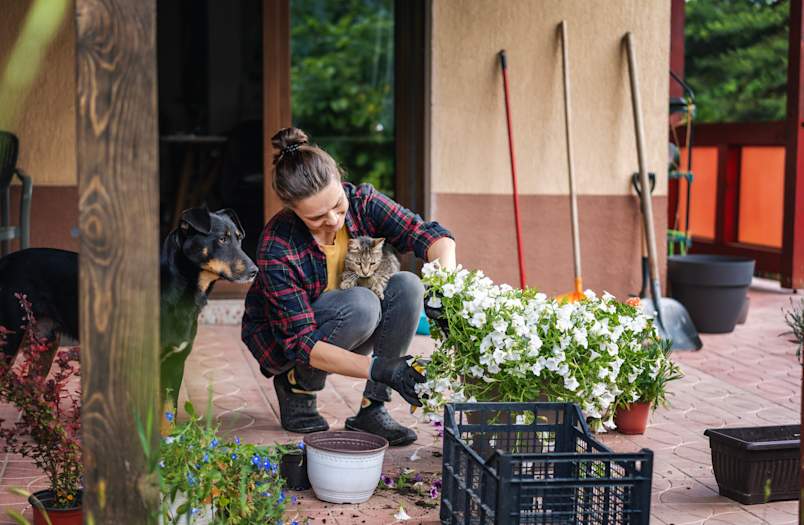
A non-toxic flower sprayed with insecticide, fungicide, or synthetic fertilizer is no longer safe. If you treat plants, follow label re-entry times before letting pets back into the area.
Cocoa mulch is toxic to pets. It contains theobromine, the same compound that makes chocolate dangerous. Cedar, pine, or untreated wood chips are safer. Keep compost piles fenced off, since moldy food can produce tremorgenic mycotoxins, one of many lawn hazards for dogs.
What to Do If Your Pet Eats a Plant
If you catch your dog or cat eating a plant, stay calm and follow this procedure:
Remove your pet from the plant. Keep a piece or photo for identification.
Check that your pet is breathing and acting normally.
Do not try to induce vomiting on your own. Some toxins cause more harm coming back up.
Call your vet or one of these numbers:
Pet Poison Helpline: 855-764-7661. A $89 per-incident fee applies; follow-ups included.
ASPCA Animal Poison Control Center: 888-426-4435. A consultation fee may apply.
If symptoms start, head to the nearest emergency vet.
Symptoms to watch for include vomiting, diarrhea, excessive drooling, lethargy, loss of appetite, tremors, and difficulty breathing. Cats may also hide, refuse food, or stop grooming. Plant-related emergencies can get expensive fast. IV fluids, hospitalization, and bloodwork for a suspected poisoning often run into the thousands. Full coverage pet insurance helps cover many unexpected accidents and illnesses, including toxic plant exposure.
Planning a new garden? Bring a list of planned flowers and shrubs to your pet’s next wellness exam. Veterinarians can often spot potential toxicity concerns before they become emergencies, especially for curious puppies and indoor-outdoor cats. Consider looking into a Pet Wellness Plan to help cover annual exams and vaccines where these preventative talks can happen naturally.
Designing a Pet-Friendly Garden
A few simple layout choices make a real difference for both species:
Use raised beds for the flowers you most want to protect.
Leave a narrow perimeter path along fences. Dogs patrol the fence line whether you plan for it or not.
Plant dense ground cover (creeping thyme is pet-safe) where bare soil invites digging.
Fence off any zone with onions, garlic, chives, grapes, or tomato foliage, all of which are toxic to pets.
Add a dedicated catnip patch or cat grass tray to redirect chewing away from decorative flowers.
For cats, include elevated perches or shelves so they have vertical territory that isn’t your flower beds.