

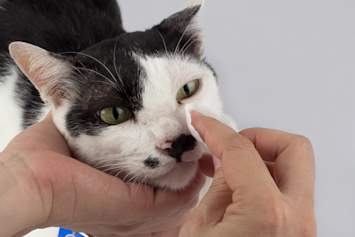
As a pet parent, you want your cat to be happy and healthy all the time. Unfortunately, that’s not always possible. Life happens, and your cat isn’t always feeling their best. For example, you might notice your cat’s eyes watering and realize that something isn’t quite right with your precious Muffin.
While this symptom needs to be investigated, there’s no reason to panic. Cats’ eyes may water because of allergies, irritants, infections, blocked tear ducts, or eye injuries. While clear tears may point to mild irritation, colored or thick discharge can signal a more serious problem that needs veterinary care.
So if you’re wondering, “Why is my cat’s eye watering,” take some time to learn what causes eye watering in cats and what you can do about it.
What Does It Mean When a Cat's Eyes Are Watering?
Epiphora is the medical term for watery eyes. As humans, we’re most familiar with tearing up when we’re sad, but epiphora is different from an emotional response.
A cat’s watery eyes could be indicative of several potential causes. Felines have what’s called a lacrimal gland in the upper corner of their eye. This gland produces tears that pass through the nasolacrimal duct system and drain into the nose. Epiphora occurs when there’s a problem with either this gland or the duct system.
Common Reasons Your Cat's Eyes Are Watering
Cat eye watering causes can range from ones that are harmless to those needing immediate medical attention.
Conjunctivitis – You’re probably familiar with the human version of conjunctivitis, more commonly known as pink eye. Conjunctivitis simply refers to the linings of the eyelids and tissues around the eye becoming swollen and red. Most commonly, cats with conjunctivitis have come into contact with an allergen. Other cases are caused by a viral or bacterial infection. Fortunately, treatment usually only involves eye drops or allergy management.
Upper respiratory infections (URI): An upper respiratory infection is one that affects the nose, throat, and ears. You can think of a URI as the “cat cold.” Most of the time, the virus clears after a week and a half or so on its own, but you should monitor your cat to make sure symptoms aren’t worsening.
Foreign body or irritant: Your cat’s eye watering may simply be caused by getting something in their eye. A piece of lint or dirt can cause the eye to water excessively as the body tries to expel the object. An irritant, such as a spray or chemical, can also cause the same reaction.
Allergies: Felines are susceptible to many of the same allergies as humans. You might notice your cat’s eyes tearing up in the springtime, when many plants are in bloom. Dust is another frequent allergen and can be found in many places where cats like to hang out, like under the bed or closets.
Corneal scratch or ulcer: Your cat might have been playing a little too roughly and scratched their eye on a toy or other object. Ulcers are more severe wounds that can develop when scratches get infected, or they may be caused by a virus. In either case, these ulcers will need to be examined by a veterinarian, as they are extremely serious and can progress quickly. Treatment may include antibiotics, eye drops, and even the infamous “neck cone” to keep the cat from scratching themselves.
Blocked nasolacrimal (tear) duct: Sometimes your cat’s tear duct system isn’t working correctly, leading to an overflow of tears. This can be a problem they’re born with, or one they develop that’s caused by a growth in the duct, infection, or chronic inflammation.
Breed-Related Watery Eyes
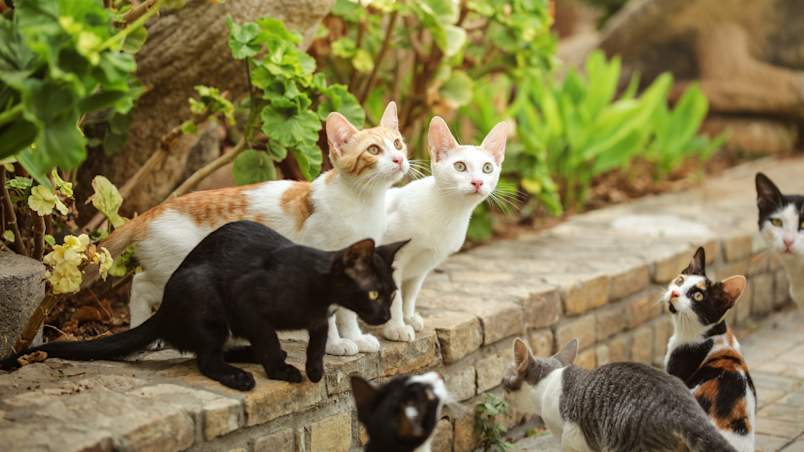
Unfortunately, some breeds are predisposed to having chronic watery eyes. These breeds are the brachycephalic ones, or “flat-faced” breeds. You can recognize these types of cats from their tiny noses and “smushed” faces. These include Exotic Shorthairs, British Shorthairs, Persians, and Himalayans.
Why do these breeds experience more tearing than others? The answer lies in their facial anatomy. Those cute, flat noses come at a cost, as there is not enough room in their tear duct systems for everything to drain properly. Owners of these breeds will need to clean their cats’ eyes daily to keep them free from bacteria and staining. You can ask your vet for detailed instructions on how to do this safely.
Why is My Cat's Eye Watering: One Eye vs. Two
Occasionally, a cat has one watery eye and no other symptoms. While you may not think there’s an issue because the other eye seems fine, you still need to determine the cause of the excess tears. Allergies typically (but not always) affect both eyes, and discharge coming from just one eye points to a potentially worse issue, like a scratch or infection.
What You Can Learn from the Discharge’s Color
Take a closer look at the fluid coming from the eye. The color and texture of the substance can help you pinpoint the cause of the problem.
The discharge is clear.
If the fluid is thin and colorless, there’s a good chance your cat is reacting to allergies or a minor scratch.
The discharge isn’t clear.
Discharge with any type of color is a sign that something more severe is going on. Often, relatively minor infections can cause discharge that is:
Cloudy
White
Yellow
Green or bloody fluid is a serious red flag because this means a major infection is occurring. Besides examining the color, also consider the texture of the discharge. Thick, sticky, or crusty eye discharge should also be treated as a medical emergency. If any colored or thick fluid is coming from your cat’s eyes, you need to take your cat to the vet immediately. Eye infections are not something to take lightly as even seemingly minor ones can quickly escalate. For example, feline herpesvirus 1 (FHV-1) causes painful ocular ulcers that can often be treated topically but must sometimes be removed surgically. The worst cases can result in blindness. To make things easier, the chart below breaks down what different types of eye discharge may indicate and how quickly your cat should be seen by a veterinarian.
What You See | What It Might Mean | What to Do |
Clear, watery tears | Mild irritation Dust or debris in the eye Allergies Early viral infection | Monitor closely. Schedule a vet visit if it doesn’t improve. |
Cloudy or white discharge | Eye inflammation Conjunctivitis Blocked tear duct Early infection | Schedule a vet visit within a couple days |
Yellow discharge | Bacterial infection Upper respiratory infection Eye inflammation | Schedule a vet visit within 24 hours. |
Green discharge | Significant infection Corneal ulcer Deeper inflammation | Schedule a vet visit the same day. |
Thick, sticky, or crusty discharge | Infection Chronic inflammation Poor tear drainage | Schedule a vet visit within 24 hours. |
Bloody discharge | Eye trauma Foreign body in the eye Corneal ulcer Internal bleeding | Seek emergency veterinary care immediately. |
While discharge color can offer helpful clues, only your veterinarian can diagnose the underlying cause and recommend the right treatment for your cat.
My Cat’s Eye is Watering: Home Treatment
As with any medical problem, prevention is always the first line of defense. If you already know your cat is susceptible to allergies, you can take steps to remove allergens from your home. That can mean keeping windows closed on windy days, vacuuming regularly, and using detergents without fragrances when washing bedding and blankets.
Regularly cleaning the eyes of flat-faced breeds can prevent buildup that will further your cat’s problems. Additionally, no matter what kind of cat you have, you’ll need to keep them up to date on their vet appointments. Often, vets can detect issues before owners notice any visible symptoms. Schedule check-ups in advance so you don’t forget to make time for them.
When to Call Your Vet
Seeing your cat’s eyes suddenly watering can be concerning, but keep in mind that many times, the problem is a temporary response to allergens or getting something in the eye. However, if your cat’s eyes are watering excessively or if there is any color to the fluid, you should schedule a vet visit as soon as possible.
Emergency vet visits can be costly, which is why it’s essential to invest in cat insurance before your pet develops an issue. An insurance policy can drastically cut costs if your cat needs an unexpected appointment or even surgery.
Depending on the cause, treatment costs for watery eyes can vary:
Conjunctivitis: $100 to $300+ for an exam, testing, and medication
Feline herpesvirus (FHV-1): $200 to $600+ for antiviral treatment and follow-up care
Corneal ulcer or eye injury: $500 to $2,000+ if diagnostics, medications, or specialist care are needed
Emergency surgery or severe infection: $1,000+
Pairing a policy with an optional cat wellness plan can help you budget for routine medical costs, including those associated with preventative medications, vaccinations, and checkups to catch problems before they become bigger issues.
The vet will recommend treatment options based on the root cause of the discharge. They may suggest your cat undergo allergy testing to see what they’re sensitive to. Eye drops, antibiotics, ointments, and surgery may be advised, depending on why your cat’s eyes are runny. Your cat may even be referred to an ophthalmologist that specializes in working with felines.
Err on the Side of Caution
“Why are my cat’s eyes watering?” The answer to this question can only be definitively answered by a veterinarian. If you’re concerned at all about your cat's watery eyes, don’t hesitate to make a vet appointment. Take it from me, a veterinarian: a mild eye issue can quickly turn very ugly in a very short period of time.
Eye discharge that is cloudy, green, or bloody, is much more serious and requires an immediate vet visit. Fortunately, even in these cases, there are usually many treatment options that result in good outcomes. Soon, your pet will be back to their normal, playful self!