

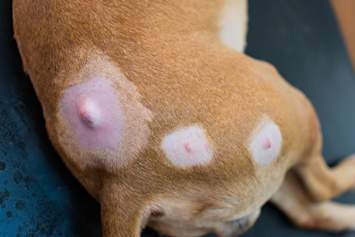
Any new lump or bump on your dog’s skin can be scary, especially if they show up suddenly. Bumps under skin on a dog can stem from a variety of causes, some more severe than others, and though you can’t definitively determine what your dog’s lump is just by looking at it, having a little background knowledge can help determine whether the new lump is an emergency or a wait-and-see situation.
Though a veterinarian should have the final say in diagnosing a lump on a dog under the skin, we’ll help you get a basic idea of the lump’s severity and best course of action here.
How to Identify Sudden Lumps on Dogs Under the Skin
Bumps on dog’s skin have many characteristics that each play a role in helping to identify them. When looking at your dog’s bump, pay attention to these features:
Size and growth rate: Note the shape and color and measure the size. Track the rate of growth by measuring the lump every couple of days. Also note the number of bumps as some types tend to be singular and others are more likely to come in multiples.
Texture and mobility: Bumps can be smooth or rough, soft or firm, or fluid filled (like cysts on dogs). They can also be freely moveable or anchored firmly to the surrounding tissue. Generally, the more mobile the lump, the more likely it is to be non-cancerous.
Other warning signs: Also note the location, as certain types of lumps grow in certain locations, such as mammary tumors. Also look for changes in the skin surrounding the lump. Localized irritation, such as redness, hair loss, or discoloration may be noticeable. Also look for pain or itchiness.
When to Worry About a Bump on Your Dog
Any bump can be concerning until you have a proper diagnosis, but generally speaking, worrisome lumps often share some common qualities:
Rapid growth
Changes in shape, texture, or color
Firmness or fixed to the surrounding tissue
Ulceration or bleeding
Pain
Redness or swelling around the lump
Other signs like lethargy or a decrease in appetite
Common Causes of Sudden Lumps on Dog Under Skin
Bumps on dog’s skin can come in all shapes, sizes, and textures depending on their cause. Though a veterinary diagnosis is the best course of action to determine the cause of your dog’s lump, here are some of the more common lumps you may come across.
Pimple-Like Bumps on Dog Skin
Any teenager can recognize a pimple, but when something like a pimple pops up on your dog, it can be a bit confusing. Dogs can develop pimple-like bumps that are typically caused by a bacterial infection, an allergic reaction, or a plugged sebaceous gland.
Bacterial Infections
These occur when there’s a break in the skin’s natural protective barrier, allowing bacteria to invade, creating multiple small, pus-filled bumps that can be either red or white. Also be on the lookout for:
Oozing
Heat
Redness
Itchiness
Bacterial infections can be primary, meaning the cause of the problem, or secondary, which is a result of something else, such as allergies.
Allergic Reactions
Allergies to ingredients in their food, allergens in their environment, or even flea bites can lead to red, itchy bumps. Allergies can also cause secondary bacterial infections, further complicating the issue.
Cysts
Cysts in dogs take on a lot of different forms, from fluid-filled sacs to pockets of thick discharge. The most famous types happen to be sebaceous, interdigital, and follicular.
Sebaceous glands are oil glands in the skin that produce sebum, a natural lubricant for skin and hair. Because of sebum’s oily, waxy texture, it can clog the gland, creating a red bump that may rupture and ooze a white, yellow, or brown thick liquid.
On a similar note, follicular cysts occur when a hair follicle becomes swollen and filled with fluid or skin oils. A special type of follicular cyst is the interdigital cyst that forms between a dog’s toes.
Canine Acne
What could be more pimple-like than canine acne? This inflammatory condition affects the lips and muzzle of dogs, causing small red bumps that can progress to bleeding, scabs, and even scarring if left untreated. There is a genetic component to canine acne, with commonly affected breeds including Boxers, Bulldogs, and Great Danes.
Benign Tumors on Dogs
Benign tumors are the non-cancerous variations of sudden lumps on dogs under the skin. They’re the types that you want to deal with since they keep to themselves and don’t spread to other areas of the body. Common types include:
Lipomas
Lipomas in dogs, which you may know as fatty tumors, are exactly that: congregations of fatty cells that form squishy, mobile lumps on your dog’s body. Most fatty tumors don’t need treatment unless they grow in a place that’s irritating or a mechanical hinderance, such as the armpit or groin. Lipomas tend to show up on older dogs but can occur at any age.
Histiocytomas
Histiocytomas form small, pink lumps that show up suddenly as a result of an accumulation of immune cells, and they tend to occur most in younger dogs. Most histiocytomas will retreat on their own within a few months, but some may need surgically removed if they become a bother to your dog.
Papillomas
Better known as warts, papillomas are caused by an infection with the papillomavirus, something that is easily transmitted between dogs. These lumps form lumpy, cauliflower-like growths that can go away on their own or be removed if multiple lumps are causing a dog problems.
Perianal Adenomas
These hormone-responsive tumors occur most commonly in intact males, growing into small lumps around a dog’s anus. Most commonly, these tumors shrink with neutering but may still need to be removed surgically, especially if they become bothersome.
Cancerous Lumps on Dogs
Now for the more sinister side of bumps on dog’s skin—the cancerous or malignant type. These tumors tend to grow quickly and invade local tissue. They may also metastasize, or spread, to other parts of the body.
Mast Cell Tumors
These shapeshifters can look like nearly anything. They don’t follow any normal sort of identification code and come from histamine releasing cells present all over a dog’s skin. Mast cell tumors are very common and can show up as singular or multiple lumps. The success of treatment isn’t always straightforward either, with some being easily removed and others creating localized issues and recurrence.
Melanomas
Fast growing and quick to spread, melanomas are a serious malignant tumor in dogs. Unlike humans, dog melanomas aren’t caused by sunlight exposure, but they deserve the same type of immediate attention.
Squamous Cell Carcinomas
The main tumor that is due to sunlight exposure is squamous cell carcinoma. These lumps tend to look like non-healing scabs occurring in the lighter-haired parts of the body, such as the ears, face, and belly.
Fibrosarcomas
Fibrosarcomas arise from connective tissue where they tend to quickly invade locally. These lumps can vary in size and tend to be firmly attached.
Injury-Related Sudden Lumps on Dogs
Bumps can pop up suddenly following an injury. These aren’t tumors exactly, just accumulations of fluid or swellings.
Hematomas: An accumulation of blood under the skin following blunt force or a pinch. Aural hematomas are special lumps that occur on the ear flap typically following an injury or ear infection.
Seromas: These pockets of blood serum (the liquid part of blood) can form following an injury or surgery.
Inflammatory swelling: Injuries can cause swelling that may create a lump, redness, heat, and pain.
Hives on Dogs
Urticaria, or hives, are multiple lumps of localized swelling that can show up in patches or all over a dog’s body. They are often itchy and develop quickly. Most cases of urticaria are incited by insect bites or medication and shampoo reactions. According to the Merck Veterinary Manual, hives typically go away within a couple of hours, but veterinary consultation is advised as treatment may be necessary as hives can be an early sign of anaphylaxis.
What to Do First When You Find a Lump on Your Dog
As you can see, sudden lumps on your dog’s skin can vary far and wide in appearance and cause. Visualization isn’t enough to diagnose or even tell a malignant lump from a benign one, that takes a proper diagnosis.
Schedule a vet exam: No matter where you think the lump came from, your vet will want to see it, but most lumps aren’t an emergency.
Measure and photograph the lump: Lumps can change quickly, so by the time your vet becomes a part of the story, the lump on your dog’s skin can change significantly. When you first notice the lump, take a measurement and a picture to present at the vet visit.
Track changes over time: If your vet goes with the monitor approach, continue to measure and take pictures of the lump every few days to track size and shape changes.
Avoid squeezing, popping, or applying home treatments: Most lumps are best left untouched until seen by your vet. Resist the urge to pop or apply any home treatments to any sudden lump on dog skin unless advised by a veterinarian.
How Veterinarians Diagnose Lumps, Bumps, and Cysts on Dogs
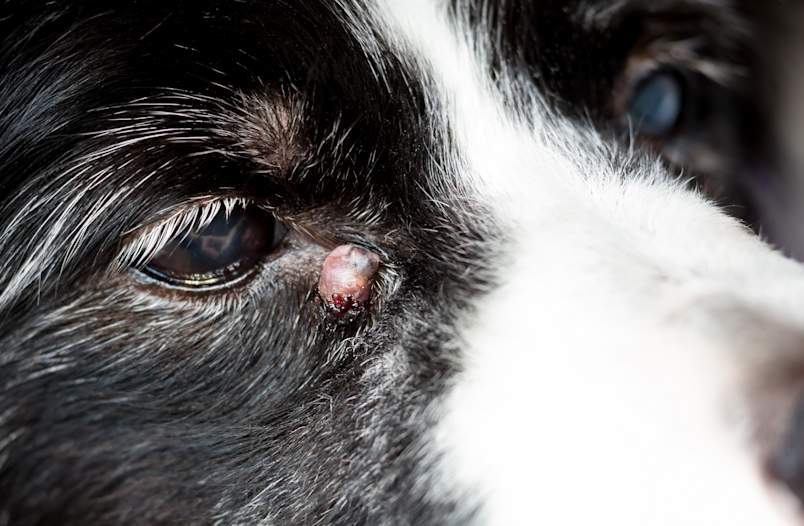
Your vet doesn’t have cytological vision, but they do have the tools to diagnose sudden lumps on dogs’ skin definitively.
Initial Assessment of Sudden Lumps on Dogs
Your vet is going to combine the information (and pictures) that you give them along with a visualization of their own. They will perform a thorough physical exam to check for more lumps and assess your dog’s overall health as well.
Diagnostic Techniques for Identifying Cysts on Dogs vs Tumors
Identifying a sudden lump on a dog requires examination of the cellular makeup of the lump. This means they need a sample of the inner workings of the tumor or cyst. Samples can be taken via:
Fine needle aspiration (FNA): Your vet may draw a small sample from the center of the lump using a syringe and needle and then examine the contents under the microscope.
Biopsy: A small chunk of the lump may be taken through a biopsy. The sample can be examined in-house or sent to a pathology lab.
Imaging: Some lumps are going to require further imaging, such as x-rays or ultrasounds, especially if those lumps are malignant. Imaging will help determine if a cancerous tumor has metastasized to other areas of the body.
Blood work: To finalize the lump or bump puzzle, your vet may request blood work to check organ function as well as analyze blood cell types.
Treatment Options for Sudden Lumps on Dog Under Skin
Treating sudden bumps on dogs can be as simple as letting the dog’s body do the work or as complex as surgical removal with follow-up radiation or chemotherapy.
Treating Infected Pimple-Like Bumps on Dogs
Pimple-like bumps often require treating the root cause first. This may include:
Antibiotics to clear an infection
Special cleansers to unclog pores with canine acne
Drainage and removal of cysts
Allergies can get a little trickier as the best approach is to remove the offending allergen, which is often easier said than done. Antihistamines or anti-inflammatories may help as well.
Monitoring and Treating Benign Lumps
Benign lumps typically don’t do a dog harm unless they get overly large or are in an area where they can easily get irritated. With this in mind, your vet may choose the route of monitoring the lump or opt to remove it if it’s bothersome.
Papillomas and histiocytomas will typically regress on their own with the help of a dog’s immune system. They rarely need removal unless they become irritated, leading to bleeding and excessive licking or chewing. In these cases, your vet may surgically excise the tumor or use laser or cryotherapy (freezing).
Lipomas and perianal adenomas are benign lumps that don’t go away on their own. They can continue to grow until they become a big problem either because your dog is licking them or they’re hindering movement. Surgical removal is the best option.
Treating Cancerous Lumps
There’s no wait and see approach when it comes to malignant tumors on dogs. Your vet will want to remove any cancerous lumps, if possible, and recommend further treatment if necessary.
Surgical removal of malignant lumps requires wide margins to ensure all cancerous cells are taken.
Referral to a veterinary oncologist may be necessary for further treatment depending on the type of cancer. This may include:
Chemotherapy
Radiation
Immunotherapy
Addressing Injury-Related Bumps on Dog’s Skin
Bumps that arise from an injury often respond well to rest and restriction of activity that give the lump a chance to heal and resorb. Additional treatments that may help include:
Warm compresses to encourage blood flow and healing
Anti-inflammatories to reduce inflammation and pain
Surgical drainage or removal depending on the severity
Never give your dog any human or over-the-counter medications unless advised by a vet. Not only can these medications be ineffective, they can also be dangerous.
How Pet Insurance Can Help in Managing Sudden Lumps and Bumps
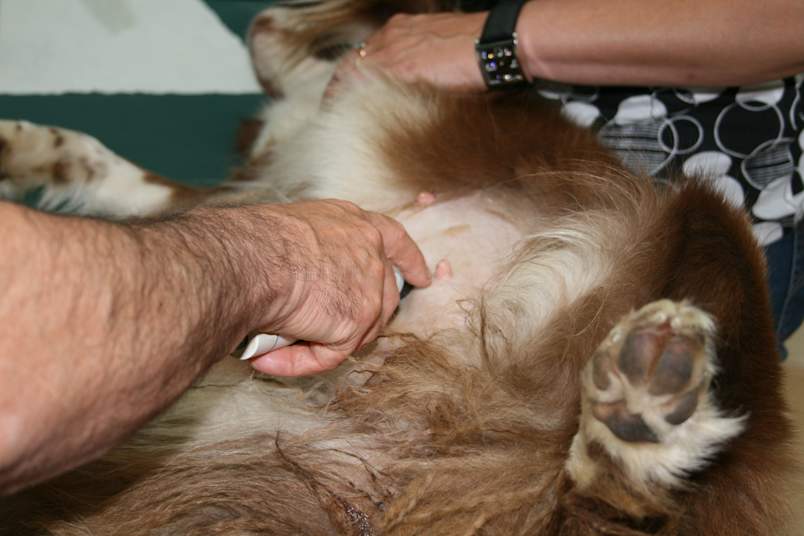
Sudden lumps on dog under the skin can be worrisome both from a medical and financial standpoint. Not only could you be dealing with a serious health issue, you may have unexpected vet bills that seem to pile up.
Even minor lumps and bumps on a dog can cost between $50 and $1,500 for diagnostics and surgical removal, while more serious lumps can be $2,500+ for diagnosis, removal, and further treatment.
A dog health insurance policy from Embrace Pet Insurance can help cover these unexpected costs so that you can opt for the best route of treatment possible. Pet insurance encompasses coverage for a wide range of medical expenses, but it doesn’t cover pre-existing conditions, so you’ll want to ensure you have your policy in place before your dog suddenly shows up with a lump to make certain that the diagnosis and treatment is covered.
For additional peace of mind, a pet wellness plan may be purchased to cover those every day expenses of wellness exams, vaccinations, and preventative medications. Though sudden lumps on dogs under their skin can’t be prevented, they are best treated when caught early, and regular veterinary care is the best way to catch issues when they’re small and in the early stages.